
Folding LED Display Screen Application Guide: FC, Smart Plus & Magic Plus by Industry
Folding LED Display Screen Application Guide: FC, Smart Plus & Magic Plus by Industry
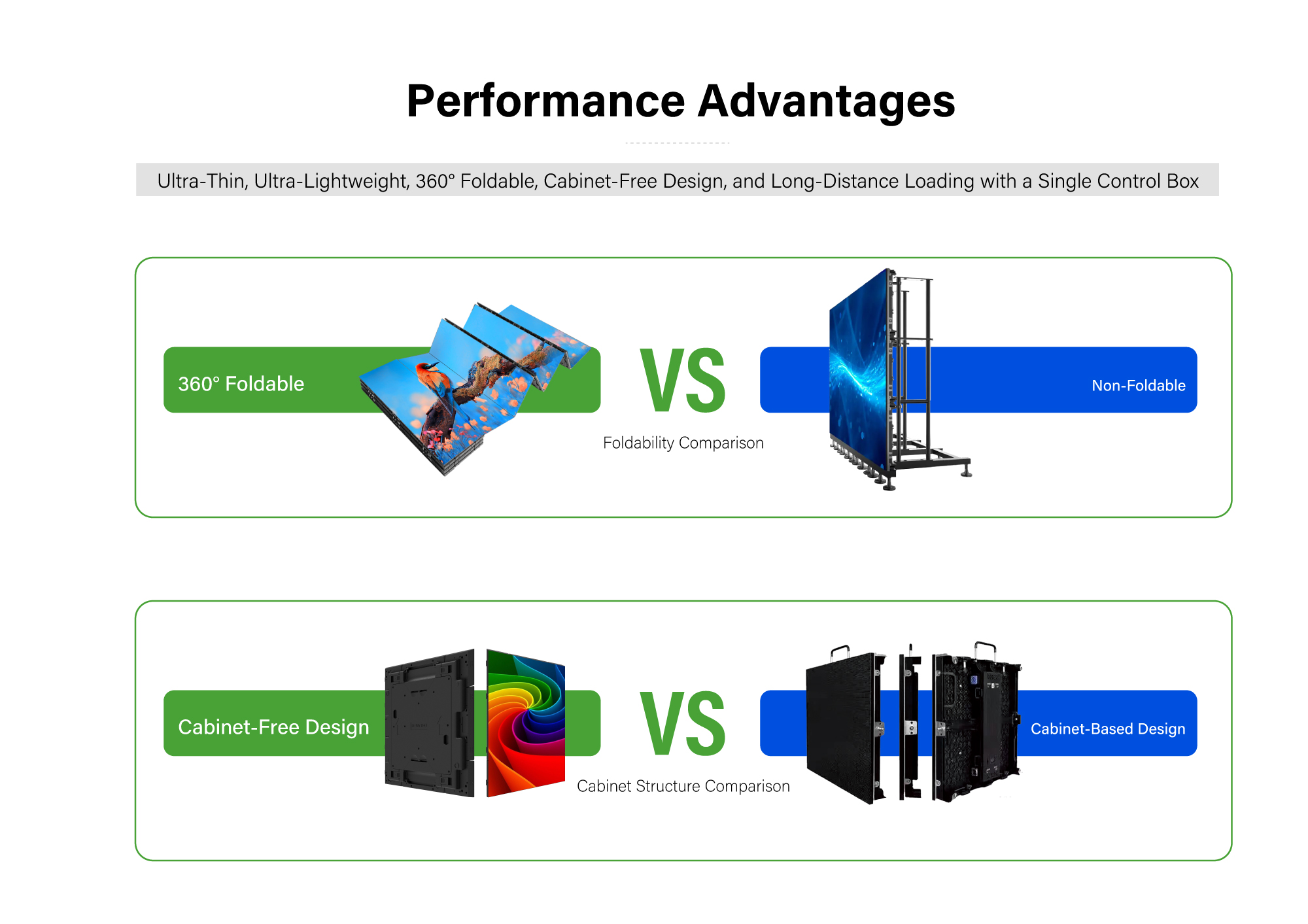
Folding LED display structure versus a traditional cabinet build — the structural difference that determines which industry a model suits.
Most folding LED display screen projects do not fail because the LED itself is weak. They fail at the matching stage, when a product built around one deployment pattern is installed in another. A panel intended for permanent indoor installation gets sent on a touring schedule. A portable unit built for repeated setup and strike is bolted into a lobby for five years. A design-led product is purchased for a market whose compliance documentation it does not carry.
ONUMEN Technology Co., Ltd. is a Shenzhen-based manufacturer founded in 2009 that builds lightweight foldable and rollable LED display solutions on a cabinet-free platform. Its folding range covers three models — FC, Smart Plus and Magic Plus — which share one structural platform but are positioned around different deployment patterns. This guide maps each model to the industries and project types it fits, explains how market compliance requirements change the decision, and sets out the supply terms that make a model choice work across a multi-year contract.
The Real Problem: Fixed, Portable and Design-Led Requirements Are Not Interchangeable
A folding LED display screen is usually sold on a specification sheet: pixel pitch, brightness, cabinet dimensions, refresh rate. Those numbers describe image quality. They do not describe deployment pattern — and deployment pattern is what decides whether a screen survives its first two years in service.
Three mismatches account for most of the rework in this category:
- Deployment-mode mismatch. A fixed installation needs a stable mounting interface, permanent power routing and maintenance access that does not require dismantling the wall. A portable unit needs folding geometry that tolerates repeated handling, a transport case, and a crew model measured in minutes rather than days. Buying one for the other produces either an over-engineered portable unit or a fixed screen that is disassembled far too often.
- Compliance mismatch. The documentation set differs by destination market. EU deployment generally requires CE marking covering EMC and LVD, plus RoHS. US deployment generally requires an FCC Part 15 Subpart B declaration. A screen that performs well but is under-documented stalls at customs, at the integrator commissioning stage, or at the client's own procurement audit.
- Design-intent mismatch. In retail, hospitality and concert work the screen is part of the scenography, not merely a surface. In corporate and transit work it behaves closer to building infrastructure. The same product line rarely serves both intents equally well, and treating a feature screen as infrastructure leads to poor sightlines, poor cable management and poor serviceability.
The framework in this guide exists to prevent those three mismatches. Every model recommendation below is tied to one of them, and every claim is limited to documented product facts.
Industry Background: Where Foldable LED Demand Is Coming From
Large-format LED display is a growing category with a concentrated supply base, and that combination shapes how buyers should shortlist models.
- The global LED display screen market was valued at USD 10.7 billion in 2024 and is expected to reach USD 19.5 billion by 2034, a CAGR of 6.2% (Market.us).
- China hosts roughly 80% of global LED display manufacturing capacity, with the domestic market projected at 660 billion RMB in 2024 (Mordor Intelligence).
- The foldable display category is tracked separately and at a different scope: USD 4.76 billion in 2024, projected to reach USD 169.21 billion by 2032 (Maximize Market Research).
Two forces are raising the cost of a wrong model choice. The first is regulatory. Flexible and foldable LED screens installed in airports and other high-traffic zones must comply with IEC 62368-1, which mandates UL94 V-0 fire resistance and surface temperatures of 70°C or below (Radiant Industry Research). Screens specified for transit and public interiors therefore need a documentation path before they need a visual concept. The second is procurement. As rental operators, distributors and integrators move from one-off purchases to annual supply arrangements, the model chosen in year one becomes the spare-parts, training and service baseline for every year after it.
Detailed Solution: How FC, Smart Plus and Magic Plus Split the Work
Shared platform facts: what all three models have in common
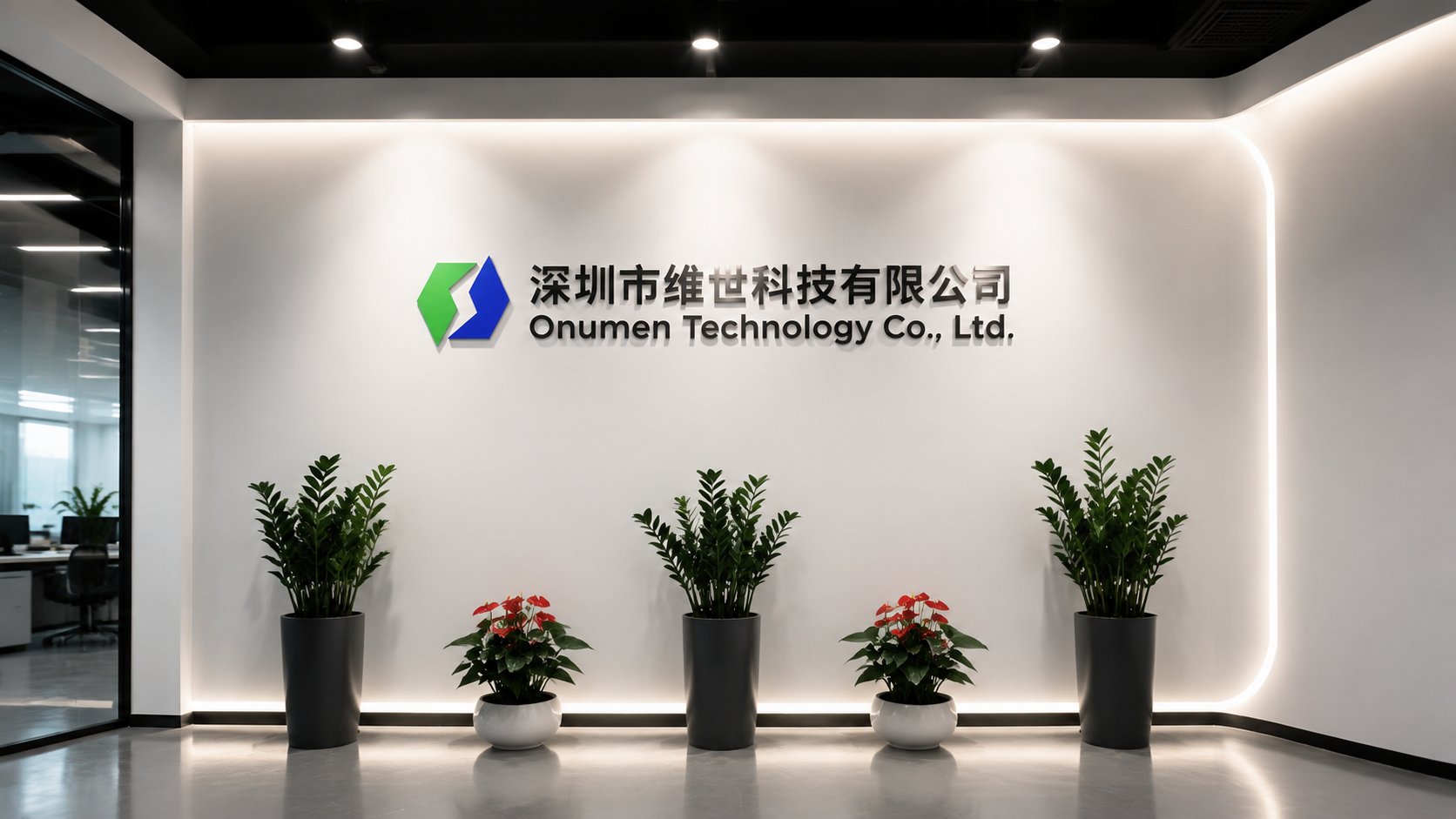
Before the models split, they share a structural platform. ONUMEN's foldable LED display is a cabinet-free, ultra-lightweight panel at 12 kg/㎡ and 14 mm thickness, capable of 360° folding and 360° curling. Against traditional cabinet LED displays, ONUMEN specifies up to 50% weight reduction, 60% space savings, 70% thickness reduction and 80% reduction in installation labor. A 100㎡ display can be installed by two people within one hour, a single control card supports up to 76㎡ of display area, and 40㎡ of LED display fits into a 1m³ flight case.
Those figures set the transport budget, the crew size and the structural load for every industry discussed below. What changes between FC, Smart Plus and Magic Plus is not the underlying platform — it is the deployment pattern the model is built around.
FC Series — fixed deployment and documentation-led procurement
The FC Series is positioned for fixed installations where the screen stays in place and the buyer's compliance file has to close before commissioning. Its documented market-entry set is CE covering EMC and LVD, RoHS, and FCC Part 15 Subpart B. Structurally it is supported by US Patent 8,899,791 B2 and EP2755459.
That combination matters most to buyers who are not the end user: system integrators, contractors and facilities teams who must hand over a complete documentation pack. In a fixed deployment, the screen is commissioned once and then serviced for years, so the value of the model sits in predictable mounting, accessible maintenance and a paper trail that survives an audit. Retail chains, corporate headquarters, hotel lobbies and transit interiors are the natural FC environments.
Smart Plus — portable and rapid-redeployment work
Smart Plus is the model aimed at projects where the screen is assembled, used, struck and moved repeatedly. Here the platform facts do the commercial work: 12 kg/㎡ and 14 mm allow a small crew to handle panels that would otherwise need rigging equipment, and the cabinet-free build removes the steel structure that dominates setup time in traditional installations.
The buyer profile is different from FC. Rental operators, exhibition contractors and touring productions are not buying a permanent asset — they are buying throughput. Every hour removed from setup is capacity released for another booking. That is why the shared platform numbers (two people installing 100㎡ within one hour, 40㎡ per 1m³ flight case) matter more in this segment than any single image-quality metric.
Magic Plus — design-led and brand-visibility deployments
Magic Plus is positioned where the screen is part of the visual concept rather than a rectangle mounted on a wall. ONUMEN's folding portfolio supports creative shapes including curved, circular, wave and staircase layouts, which is what allows a screen to follow an architectural line, wrap a stage element, or form a branded feature in a retail or hospitality space.
Buyers here are brand owners, experience designers and show producers. They evaluate a model on whether the physical form can be built as drawn, and on whether the product carries design credibility that supports the brand it is being installed for. In this segment, the structural patents and the design awards below are directly relevant to the specification conversation, not decorative detail.
Credentials that apply across the folding range
Three groups of credentials apply to the range as a whole rather than to a single model, and buyers should ask for them by category rather than by product name:
- Management systems: ISO 9001, ISO 14001 and ISO 45001 certificates covering quality, environmental and occupational health and safety management.
- Product compliance and IP: CE, FCC and RoHS certification coverage across the folding range, supported by US Patent 8,899,791 B2 and EP2755459, within a global patent pool spanning Asia, Europe, the Americas and Oceania.
- Design recognition: Red Dot 2024, iF DESIGN AWARD 2025 and French Design Award 2026 Gold.
Step-by-Step: Matching a Folding LED Display Screen to an Industry Project
The six steps below convert an industry brief into a model decision. They are ordered so that each step narrows the field rather than reopening it.
- Classify the deployment as fixed, portable or periodic. Fixed means the screen stays installed for years. Portable means it is built and struck on a schedule. Periodic sits between the two — a seasonal retail feature, for example. Fixed briefs point toward FC; portable and periodic briefs point toward Smart Plus; briefs where the screen is the centrepiece point toward Magic Plus.
- Identify the destination market and its documentation set. EU projects generally need CE EMC and LVD plus RoHS; US projects generally need FCC Part 15 Subpart B. Airport and high-traffic interior projects add the IEC 62368-1 requirement set, including UL94 V-0 fire resistance and surface temperatures of 70°C or below. If the documentation path is unclear at this stage, resolve it before the visual concept, not after.
- Decide whether the screen is structure or scenography. If the screen must disappear into the architecture, specify on mounting interface and serviceability. If it must carry the brand, specify on shape capability — curved, circular, wave and staircase layouts — and on design credentials.
- Size the display against control and transport limits. A single control card supports up to 76㎡ of display area. A 1m³ flight case carries 40㎡ of LED display. Both figures constrain how a project should be broken into units, and both should be checked against the venue's access route before the layout is fixed.
- Plan the installation crew and handling path. With a cabinet-free build, a 100㎡ display can be installed by two people within one hour. Confirm that the venue's access, lift capacity and storage allow that crew model to be used — the platform advantage is only realised if the handling path supports it.
- Fix the long-term supply terms before the first unit ships. Annual contracts should lock MOQ, delivery terms, acceptance criteria and payment terms at the same time as the model. This step is covered in detail further below.
Use Cases: Which Model Fits Which Industry
A fixed, high-visibility interior zone — the deployment pattern where FC Series documentation and serviceability matter most.
Retail and commercial advertising
Retail deployments are usually fixed and brand-facing at the same time. A chain storefront that changes creative seasonally but never moves the panel is an FC environment, because the buyer needs permanent mounting and a compliance file for multiple sites. A flagship feature wall where the screen shape is part of the store concept moves toward Magic Plus. The deciding question is whether the screen is replaced or the content is replaced.
Exhibitions and trade shows
Trade show work is the clearest Smart Plus case. The screen is built and struck within days, transported between venues, and handled by crews who are not the original installers. Weight and packing density become the operating constraints: 12 kg/㎡ panels and 40㎡ per 1m³ flight case determine how much display a team can move in a single vehicle load.
Corporate showrooms and conference rooms
Corporate environments split by function. A permanent showroom wall behaves like a fixed installation and fits FC. A conference or presentation screen that is reconfigured between rooms, or used for roadshows, fits Smart Plus. Buyers in this segment should confirm the mounting and power arrangement at each location before standardising on one model across a building.
Rental and staging
Rental operators measure the product in bookings per year, not years of service. Smart Plus aligns with that logic because setup time converts directly into capacity. For rental businesses, the more important long-term question is spare-part availability and consistent unit behaviour across a fleet — which is a supply-contract issue rather than a product issue.
Hotels and hospitality
Hotel projects typically combine two requirements: a fixed lobby or ballroom installation that must pass the owner's compliance review, and a feature element in a bar, restaurant or event space where visual form carries the brand. FC covers the first; Magic Plus covers the second. Specifying both from one supplier simplifies spare parts and crew training.
Churches and theaters
Houses of worship and theaters often need a fixed sanctuary or stage installation with accessible maintenance, which fits FC. Where the set changes between productions and the screen is part of the scenography, Smart Plus supports faster changeovers and Magic Plus supports non-rectangular stage shapes. The recurring constraint in this segment is access: historic buildings rarely allow large structural loads, and a 12 kg/㎡ cabinet-free panel reduces what the building has to carry.
Airports and transit
Transit interiors are the most documentation-heavy environment in this guide. IEC 62368-1 applies to flexible and foldable LED screens in airports and high-traffic zones, with UL94 V-0 fire resistance and surface temperatures of 70°C or below. Procurement here should begin with the compliance file — CE EMC and LVD, RoHS, FCC Part 15 Subpart B where relevant — and only then move to the visual brief. FC Series is the natural starting point.
Outdoor advertising
Outdoor advertising combines fixed deployment with high public exposure, so documentation and serviceability come first and creative shape second. Where the structure is a landmark or a branded feature, the shape capability of the folding platform — curved, circular, wave and staircase layouts — allows the display to follow the structure rather than sit on top of it.
Concerts and stage performance
Concert and stage work is the segment where Smart Plus and Magic Plus overlap. Touring productions need portable units with fast setup and dense packing; the stage design itself often needs non-rectangular shapes that follow the set. Productions commonly specify both models in one package, using the portable model for touring elements and the design-led model for the hero stage piece.
Comparison Table: FC, Smart Plus and Magic Plus by Decision Dimension
| Decision dimension | FC Series | Smart Plus | Magic Plus |
|---|---|---|---|
| Deployment mode | Fixed installation with long dwell time; screen is commissioned once and serviced in place. | Portable and redeployable; built around repeated setup and strike. | Design-led feature installation; screen forms part of the visual concept. |
| Market documentation to expect | CE (EMC / LVD), RoHS, FCC Part 15 Subpart B. | CE, FCC and RoHS under ONUMEN's product certification coverage, plus ISO 9001 / 14001 / 45001 management system certificates. | CE, FCC and RoHS under ONUMEN's product certification coverage, plus ISO 9001 / 14001 / 45001 management system certificates. |
| Where the model earns its place | Buyers whose compliance file must close before commissioning — integrators, contractors, transit and corporate facilities teams. | Rental operators, exhibition contractors and touring productions measuring throughput rather than permanence. | Retail brands, hospitality operators, and concert or stage designers working with non-rectangular forms. |
| Shared platform facts | 12 kg/㎡, 14 mm thickness, 360° folding and 360° curling, cabinet-free build; up to 50% weight reduction, 60% space savings, 70% thickness reduction and 80% installation labor reduction versus traditional cabinet LED displays. | Same shared platform; a single control card supports up to 76㎡ of display area and 40㎡ fits into a 1m³ flight case. | Same shared platform; supports curved, circular, wave and staircase layouts. |
| Design and IP credentials (range level) | US Patent 8,899,791 B2; EP2755459; Red Dot 2024; iF DESIGN AWARD 2025; French Design Award 2026 Gold. | US Patent 8,899,791 B2; EP2755459; Red Dot 2024; iF DESIGN AWARD 2025; French Design Award 2026 Gold. | US Patent 8,899,791 B2; EP2755459; Red Dot 2024; iF DESIGN AWARD 2025; French Design Award 2026 Gold. |
| Typical industries | Retail chains, corporate showrooms, hotel lobbies, churches and theaters, airports and transit, outdoor advertising. | Trade shows, rental and staging, corporate roadshows, touring productions. | Flagship retail, hospitality feature spaces, concert and stage performance. |
Table notes: model positioning reflects ONUMEN's published folding range structure; documentation, patent, award and platform figures are limited to verified company and product facts.
Structural comparison used at the specification stage: the foldable build removes the cabinet and steel structure that dominate traditional installation time.
Risk Control: What Buyers Should Ask About Long-Term Reliability
Foldable screens carry a mechanical risk profile that rigid cabinets do not. The recurring failure modes are folding fatigue, mechanical stress at the fold line, structural stability under repeated handling, and long-term operation performance.
ONUMEN's published control methods for these risks are flexible module design, an optimised folding structure, precise folding angle control and strict reliability testing. At company level, the measures are a dedicated R&D team, patented folding technology, aging tests, bending tests and complete quality inspection before shipment. For buyers, the practical implication is that reliability questions should be asked at the process level — which tests, at which stage, with what record — rather than at the marketing level.
Long-Term Supply: Turning a Model Choice into an Annual Contract
ONUMEN Technology Co., Ltd., Shenzhen — founded 2009, 2,000㎡ factory, 50 employees and 9,000㎡ annual output.
For distributors, rental operators and integrators, the model decision is only the first half of the procurement. The second half is the supply arrangement that keeps a fleet consistent over several years. ONUMEN publishes the following commercial terms for its folding LED display range:
- MOQ: 1 m² or 1 unit.
- Delivery terms: EXW, FOB, CIF, DDP, with international shipping support.
- Acceptance criteria: pre-shipment inspection, video inspection and functional testing before delivery.
- Payment terms: T/T, L/C, and Trade Assurance where applicable.
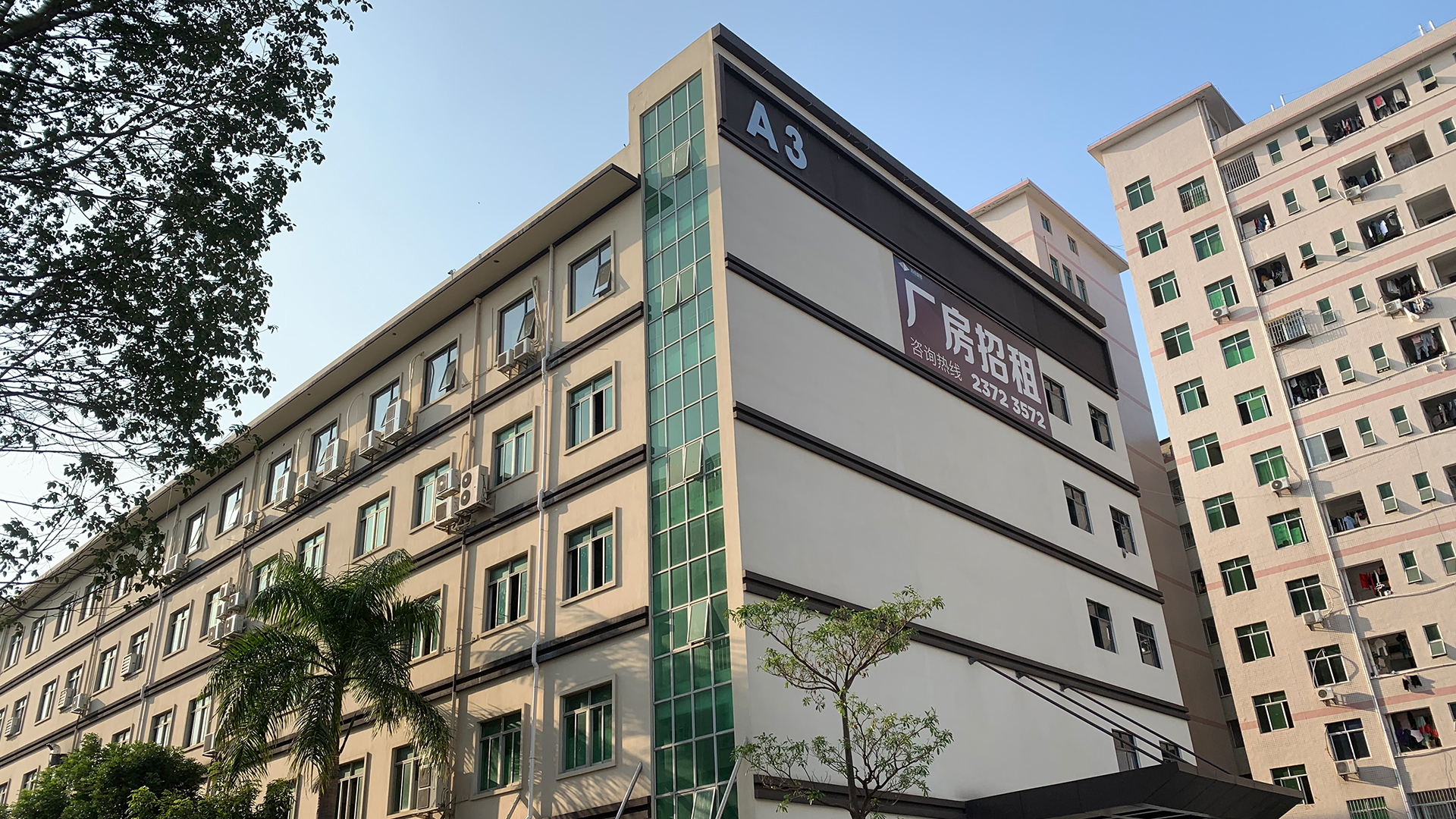
The company profile that sits behind those terms is relevant to contract risk. ONUMEN Technology Co., Ltd. was founded in 2009, operates a 2,000㎡ factory with 50 employees and 9,000㎡ annual output, and maintains a 20-engineer R&D team. Roughly 70% of output is exported, with main markets in the USA, Europe, Japan, South Korea, Russia and the Middle East. Production holds ISO management system certificates together with CE, FCC and RoHS product certifications.
For buyers running mixed deployments — a fixed retail rollout alongside a rental fleet, for example — standardising on one supplier across FC, Smart Plus and Magic Plus reduces the number of documentation packs, inspection protocols and training programmes the organisation has to maintain.
FAQ
1. Are the FC, Smart Plus and Magic Plus folding LED display screens compliant for EU and US deployment?
The FC Series carries CE certification covering EMC and LVD, RoHS, and FCC Part 15 Subpart B. Across the folding range, ONUMEN holds ISO 9001, ISO 14001 and ISO 45001 management system certificates together with CE, FCC and RoHS product certification coverage. For airport and high-traffic interior projects, the applicable additional requirement set is IEC 62368-1, which mandates UL94 V-0 fire resistance and surface temperatures of 70°C or below. Buyers should request the documentation pack for the specific model and destination market before commissioning.
2. Can ONUMEN customise a folding LED display screen for a specific industry project?
ONUMEN builds lightweight foldable and rollable LED display solutions on a cabinet-free platform and supports creative shapes including curved, circular, wave and staircase layouts. The company maintains a 20-engineer R&D team and a global patent pool spanning Asia, Europe, the Americas and Oceania, including US Patent 8,899,791 B2 and EP2755459. Customisation requests should be discussed against the intended deployment pattern — fixed, portable or design-led — because that determines which model in the range is the correct starting point.
3. What are the commercial terms for a Chinese folding LED display screen supplier annual supply contract?
ONUMEN publishes a MOQ of 1 m² or 1 unit, delivery terms of EXW, FOB, CIF and DDP with international shipping support, acceptance criteria based on pre-shipment inspection, video inspection and functional testing before delivery, and payment terms of T/T, L/C and Trade Assurance where applicable. These terms are the baseline for an annual supply contract and should be supplemented with a model-consistency and spare-part commitment for multi-year fleets.
4. How should a buyer validate a sample or a pre-shipment batch?
Validation runs on two levels. At product level, ONUMEN applies flexible module design, optimised folding structure, precise folding angle control and strict reliability testing, supported by aging tests and bending tests run by the R&D team. At order level, acceptance is based on pre-shipment inspection, video inspection and functional testing before delivery. Buyers planning a fleet should agree the inspection protocol at contract stage so that year-one and year-three batches are checked against the same criteria.
5. What lead time and long-term support should distributors and rental operators expect from an annual contract?
Delivery timing depends on the model mix, order volume and destination, and is confirmed through the delivery terms selected — EXW, FOB, CIF or DDP. What can be fixed at contract stage is the process: a current compliance pack for the models in scope, an agreed acceptance protocol covering pre-shipment inspection, video inspection and functional testing, and a spare-part and model-consistency commitment covering the contract term. Distributors and rental operators evaluating a long-term partnership can request the folding LED display range catalogue, current certification documents and a quotation through onumen.com or by contacting sales@onumen.com.
Conclusion
Folding LED display screen selection is a deployment question before it is a specification question. FC, Smart Plus and Magic Plus share one cabinet-free platform — 12 kg/㎡, 14 mm thickness, 360° folding and curling, up to 80% installation labor reduction — so the real decision is which deployment pattern the project belongs to. Fixed, documentation-heavy installations point to FC. Portable, throughput-driven work points to Smart Plus. Design-led and brand-visibility work points to Magic Plus.
Whichever model is chosen, three checks protect the investment: confirm the documentation set for the destination market, confirm the installation and handling path against the platform's crew and packing figures, and fix the supply terms — MOQ, delivery, acceptance and payment — before the first unit ships.
Next Step
ONUMEN Technology Co., Ltd. supplies folding LED display screens to distributors, rental operators, integrators and brand owners across the USA, Europe, Japan, South Korea, Russia and the Middle East. To move from model selection to a project quote, you can request the folding range catalogue, the current certification pack, or a sample and quotation based on your deployment type and order volume.
Email: sales@onumen.com | Tel: +86 755 8360 1688 / +86 755 8281 9688 | Web: www.onumen.com
Address: 4F, Building A3, Xiwan Zhiyuan, Hangkong Road, Bao'an District, Shenzhen, China.
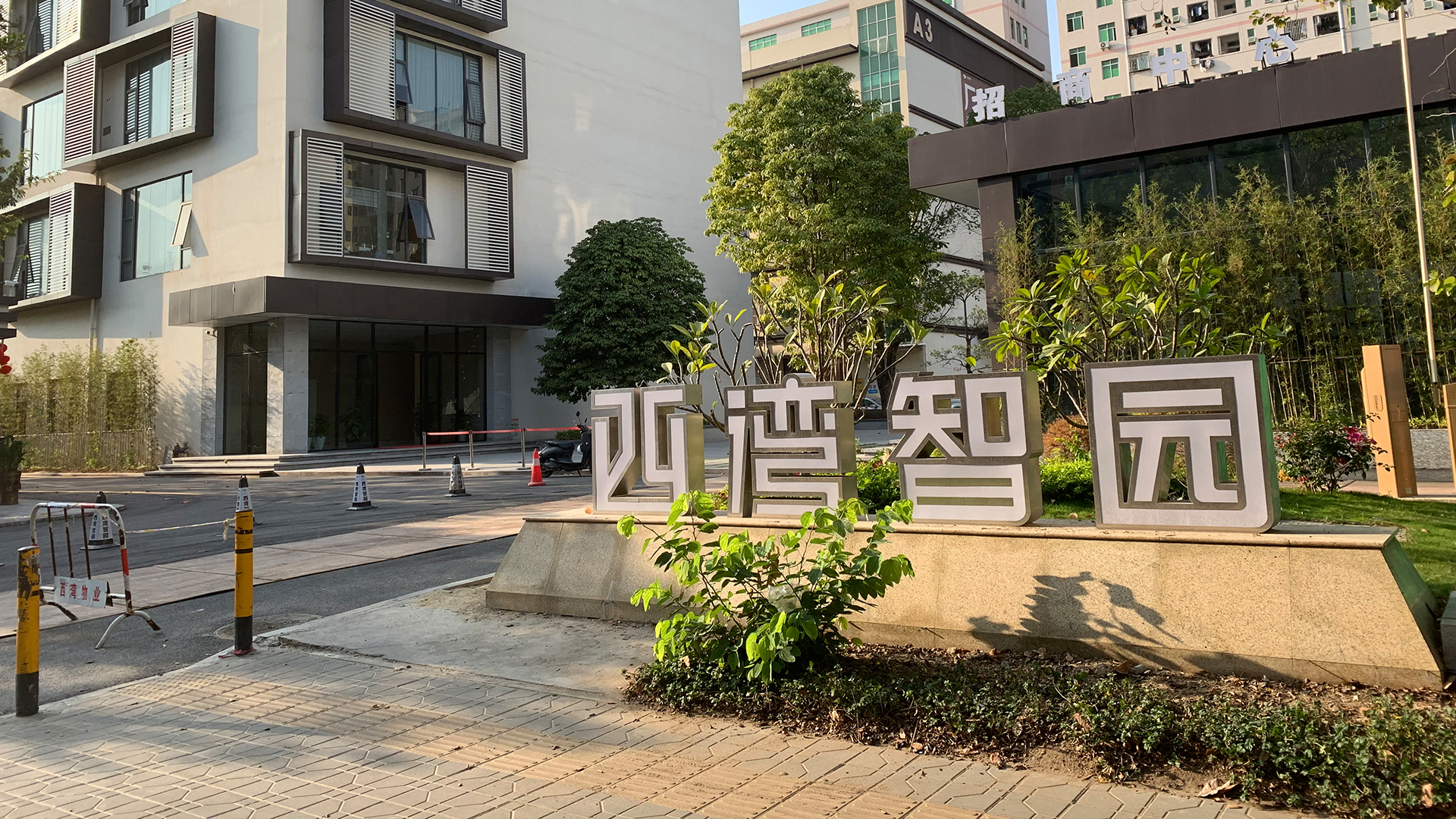
ONUMEN Technology Co., Ltd., Shenzhen — sample requests, certification documents and project quotations.
Have Questions or Need More Details?
Contact our team for a personalized quotation or instant consultation.
Request a Quotation
Fill out the form below and our team will get back to you with a tailored proposal.
WhatsApp Direct Chat
Prefer to chat in real-time? Message us on WhatsApp for instant assistance & quick answers.
- Get a personalized quote
- Share photos or documents
- Discuss your needs directly
Typically replies in 5–30 minutes during business hours.