
Rollable LED Screen for Trade Show Booths: An Application Guide
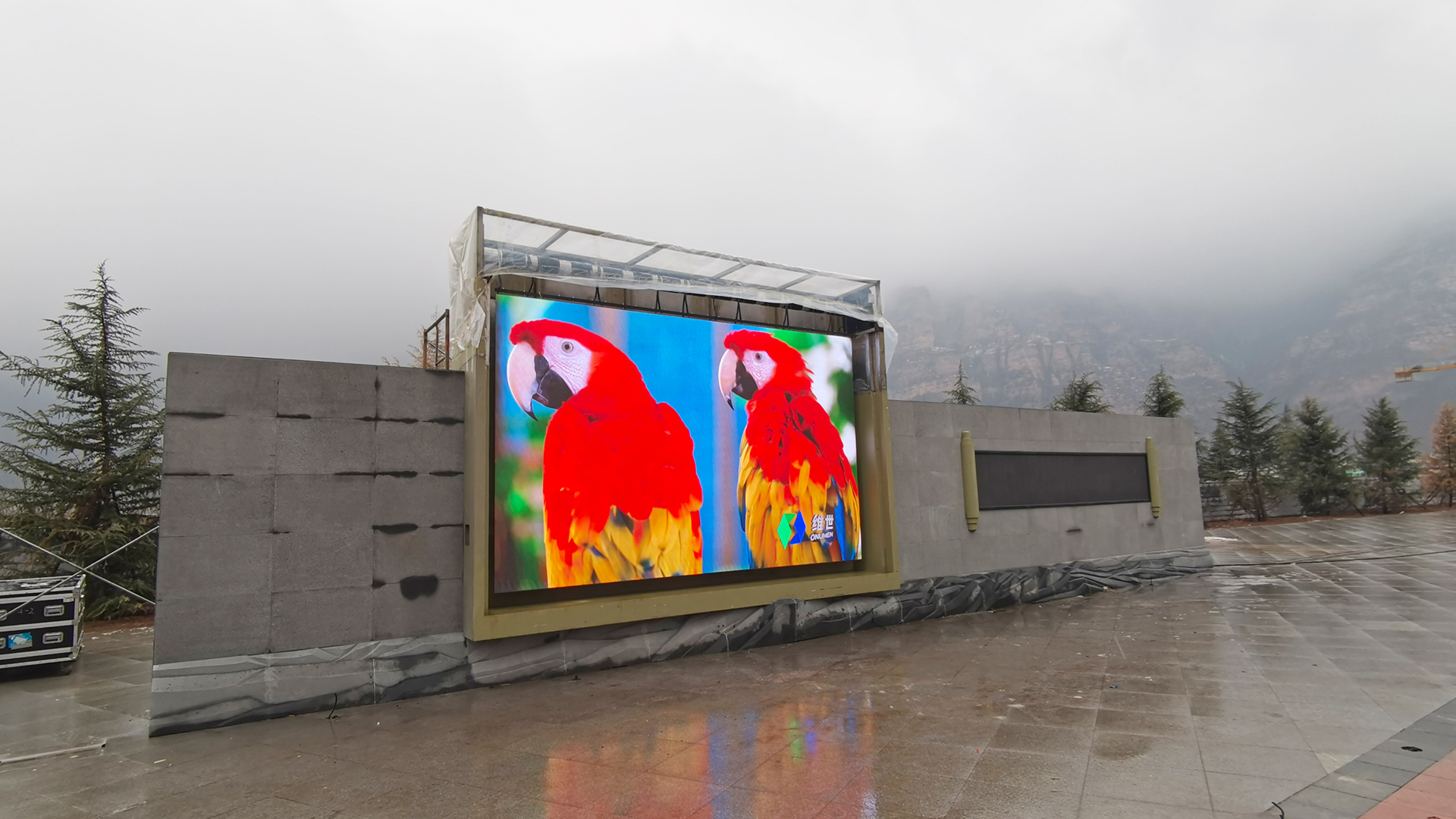
Rolling Rollable LED Display (FRL/FRSL): an automatic rollable LED display applied to booth walls, stage backdrops and exhibition installations.
A rollable LED screen lets a trade show booth carry a large-format display without the transport volume, weight per square metre and rigging demand of a conventional cabinet wall. For booth builders and event producers, the practical question is not whether flexible LED belongs in an exhibition hall, but which flexible format, pitch, brightness and protection rating fits one specific booth surface, one venue power supply and a calendar of back-to-back shows.
Onumen Technology Co., Ltd. (Shenzhen, China, founded 2009) manufactures the two flexible platforms most often specified for exhibition work: the Rolling Rollable LED Display (FRL/FRSL), an automatic rollable LED display, and the Smart folding LED Display (FC), a 360° foldable flexible LED display whose folding mechanism is covered by patent EP 2755459. Both platforms are supplied with CE, RoHS and FCC certification, and the FRL/FRSL platform also carries CE LVD certificate BST13030465Y-1SC-2.
This guide is written for the people who actually build the booth — exhibition contractors, booth fabricators, rental houses and event producers. It explains where rollable and foldable formats fit, how to match them to venue power and rigging limits, and how to run a pre-show check before the freight leaves the warehouse.
Problem Definition: The Constraints That Decide a Booth Build
Display failures at exhibitions are usually logistics failures, not electronics failures. A booth screen has to arrive in cases, be assembled by a small crew inside a short build window, run on the power the venue supplies, hang from a limited number of rigging points, and be struck fast enough for the next show. Four constraints drive the specification decision: transport volume, load per square metre, build time and compliance paperwork.
Transport volume and drayage
A rollable LED screen winds onto a roller instead of shipping as a stack of rigid cabinets. In documented rollable installations, the deliverable is a system: the display, a control system, a power supply, the supporting mounting structure and transport cases travel together. Onumen positions its foldable and rollable panels as ultra-thin replacements for heavy cabinet designs, which matters most when a booth tours several shows a year and drayage is charged by volume.
Weight on rigging points
Rigging capacity is fixed long before the screen is chosen. The Rolling Rollable LED Display (FRL/FRSL) is documented at 13–15 kg/m² indoors and 18 kg/m² outdoors, with panel thickness of 15–16 mm indoors and 18.5 mm outdoors. The Smart folding LED Display (FC) is lighter again at 11 kg/m² with 14–17 mm thickness. Onumen lists lightweight structure and quick installation among the special requirements for indoor and outdoor event environments with frequent installation and dismantling.
Build time and module format
Module geometry determines how the screen goes together and how it is packed afterwards. FRL/FRSL uses a narrow 500 × 62.5 mm module and can be installed suspended, wall-mounted or on the ground. FC uses a 250 × 250 mm module with a 360° folding angle and can be hung, wall-mounted or floor-mounted. Both platforms run synchronous or asynchronous control.
Venue power and heat
Both platforms accept AC100–240V input and use low-voltage DC working power — DC48V on FRL/FRSL, DC24V or DC48V on FC — which keeps booth distribution simple. The principle behind Onumen's separated power-and-screen architecture was demonstrated at Tokyo Shibuya Station, where a 50+ m² ultra-thin fixed LED display, in operation for more than five years, improved energy efficiency and reduced heat generation by separating the power supply from the screen structure.
Brightness, viewing distance and camera coverage
Exhibition halls are bright and unevenly lit, and booth content is frequently filmed or streamed. FRL/FRSL is documented at 600–1000 nits indoors and 2000–6000 nits outdoors; FC runs at 1000–1500 nits. Refresh rate is 3840 Hz on both, with 7680 Hz available on FC — a parameter that matters when a product demo is captured on camera. Broadcast studios are listed among the application industries for the Rolling Rollable LED Display (FRL/FRSL).
Compliance paperwork at the venue door
Organisers and venues increasingly ask for documentation before a screen is powered. Both the FRL/FRSL and FC platforms carry CE, RoHS and FCC certification; FRL/FRSL also carries CE LVD certificate BST13030465Y-1SC-2, and patent EP 2755459 covers the FC folding mechanism. Where a booth enters a regulated public venue, UL 62368-1 (electrical safety) and UL 94 V-0 (fire resistance) are the standards commonly referenced for flexible LED screens in public spaces in the United States, and IEC 62471 is the photobiological safety standard referenced in the EU and China.
Industry Background: Why Temporary Displays Keep Growing
The flexible display category that rollable screens belong to has expanded quickly. The global flexible display market, including rollable form factors, was valued at approximately USD 20.1 billion to USD 21.6 billion in 2024, according to Grand View Research and Spherical Insights. The rollable and foldable display segment specifically is projected to grow from USD 5.1 billion in 2024 to nearly USD 60 billion by 2035, based on Meticulous Research data published via openPR. These two figures cover different scopes — total flexible display versus the rollable and foldable sub-segment — and should not be added together.
At the top of the outdoor and flexible LED display market, Samsung Electronics, Leyard and LG Electronics were identified as the three leading global players in 2024 in a KingAurora industry report. Behind that tier sit specialist manufacturers that supply the lightweight formats on which rental and exhibition work depends.
Onumen Technology Co., Ltd. operates in that specialist tier. Founded in 2009, the company produces lightweight foldable and rollable LED display solutions from a 2,000 m² facility with a 20-engineer R&D team, 50 employees and annual output of approximately 9,000 m². About 70% of output is exported, with main markets including the USA, Europe, Japan, South Korea, Russia and the Middle East. The company holds a global patent pool spanning Asia, Europe, the Americas and Oceania — published company information cites nearly 100 global invention patents — together with Red Dot, iF and French Design Awards, and ISO management system certificates for production.
For booth builders, the trend that matters is not market value but expectation: brands now want a four-day booth that behaves like a permanent media environment, built inside a single night, inside a venue with fixed power and rigging limits.
Detailed Solution: Rolling and Folding Formats for Booth Environments
Two Onumen platforms cover most trade show requirements. They are not interchangeable: one rolls, one folds, and each brings a different balance of weight, protection rating and geometric freedom.
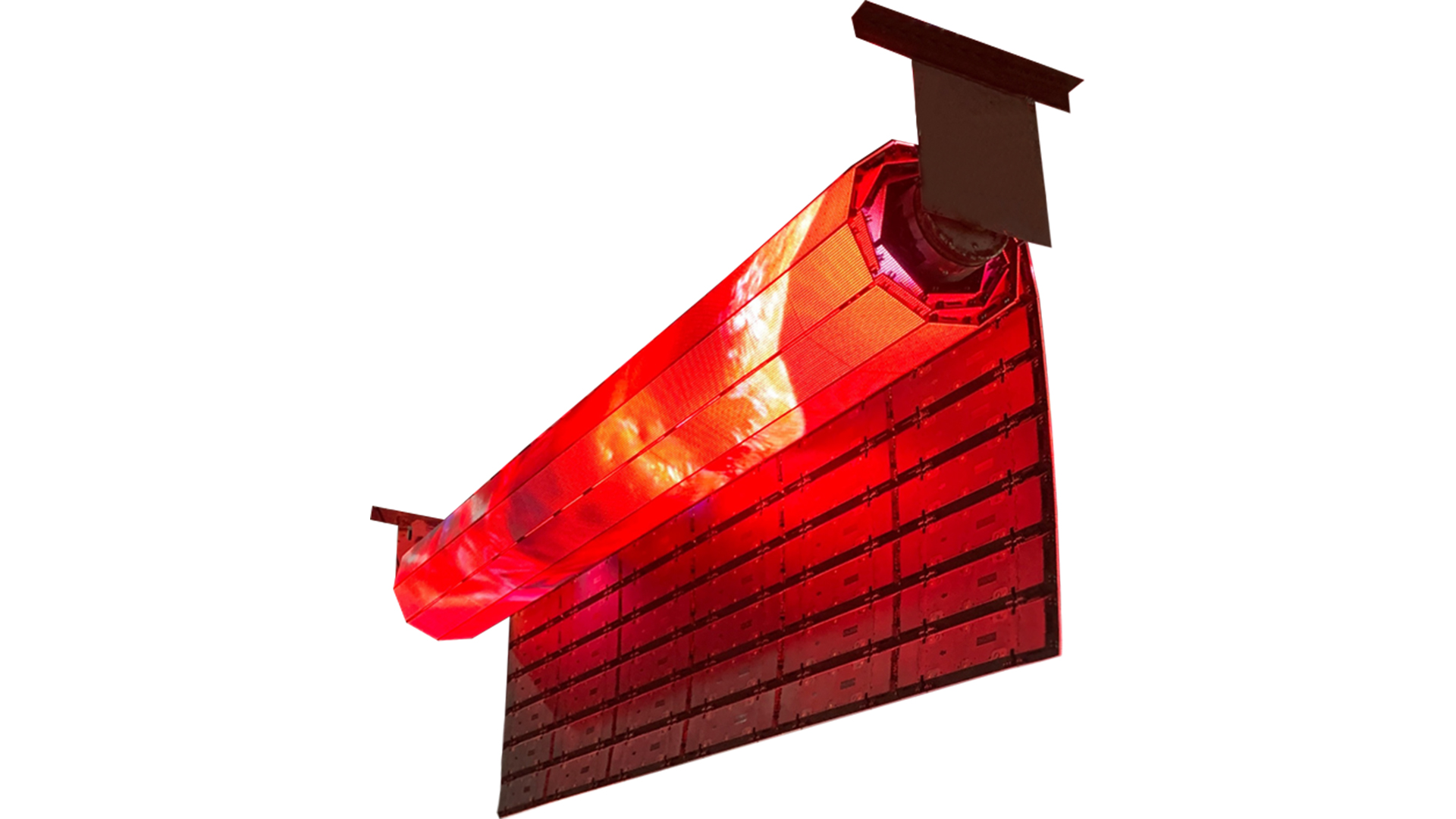
The FRL/FRSL module format (500 × 62.5 mm) allows the display to be wound for transport and storage between shows.
Rolling Rollable LED Display (FRL/FRSL)
The FRL/FRSL is an automatic rollable LED display designed for indoor and semi-outdoor environments that require flexible installation and space-saving solutions. It serves the stage & entertainment, commercial display, creative installation and exhibition industries, providing large-scale video display, advertising, stage backgrounds and immersive visuals, and can operate in event-based or long-term mode. Documented parameters are:
- Pixel pitch — indoor P1.25 / P1.56 / P1.953 / P2.6 / P3.9; outdoor P2.6 / P3.9
- LED type — SMD1010 / SMD1515 / SMD2020
- Pixel density — 65,536 to 640,000 pixels/m²
- Brightness — indoor 600–1000 nits; outdoor 2000–6000 nits
- Refresh rate — 3840 Hz
- Module size — 500 × 62.5 mm
- Thickness — 15–16 mm indoor; 18.5 mm outdoor
- Weight — 13–15 kg/m² indoor; 18 kg/m² outdoor
- Protection rating — indoor front IP54 / rear IP43; outdoor front IP65 / rear IP65
- Viewing angle — 120°–160° horizontal and vertical
- Grey scale and contrast — 16 bit; 2500:1
- Voltage — working DC48V; input AC100–240V
- Temperature — operating -20℃ to +45℃; storage -20℃ to +60℃
- Control — synchronous or asynchronous
- Installation — suspended, wall-mounted or ground installation
- Certification — CE, RoHS, FCC; CE LVD certificate BST13030465Y-1SC-2
For a booth, the decisive detail is the narrow module strip: it is what allows the display to be rolled for transport and storage, which in turn keeps a screen that is built, struck and rebuilt across a season in manageable condition.
Smart folding LED Display (FC)
The FC is a 360° foldable flexible LED display, and its folding mechanism is covered by patent EP 2755459. It is applied to stage events, exhibitions, rental events, creative installations and commercial advertising. Documented parameters are:
- Pixel pitch — P2.6 / P3.9 / P5.2
- LED type — SMD0606 / SMD1010 / SMD2020
- Module resolution — 48×48 / 64×64 / 96×96 pixels; pixel density 36,864–147,456 pixels/m²
- Brightness — 1000–1500 nits
- Refresh rate — 3840 Hz / 7680 Hz
- Foldable angle — 360°; module size 250 × 250 mm
- Thickness and weight — 14–17 mm; 11 kg/m²
- Protection rating — IP43
- Viewing angle — 120° horizontal / 120° vertical
- Voltage — working DC24V / DC48V; input AC100–240V
- Temperature — operating -20℃ to +45℃; storage -20℃ to +60℃
- Control — synchronous or asynchronous
- Installation — hanging, wall-mounted or floor installation
- Certification — CE, RoHS, FCC
The FC contributes geometry and low weight. At 11 kg/m² it is the lighter of the two platforms, and its 360° folding angle makes shaped structures practical: Onumen's foldable and rolling portfolio supports curved, circular, wave and staircase layouts, which is exactly the vocabulary booth designers use for headers, feature walls and totems.
Supporting equipment, customisation and delivery
Booth-grade rollable installations are supplied as a system rather than a panel: a control system, power supply, supporting mounting structure and transport cases are specified alongside the screen. Customisation covers screen size, pixel pitch, cabinet design, installation structure, control system, logo and packaging, with a minimum order quantity of 1 ㎡, monthly capacity of 3,000–5,000 m² and a production lead time of 30–90 days after order confirmation. Every unit passes a 100% aging test and quality inspection before shipment, and after-sales support covers remote technical support, installation guidance, maintenance support and spare parts supply.
Step-by-Step Breakdown: Specifying a Booth Screen in Seven Steps
Step 1 — Map the booth surface and the viewing distance. Measure every surface the screen will occupy: back wall, header, hanging banner, totem or stage backdrop. Then fix the closest realistic viewing distance. Fine pitches such as P1.25 to P1.953 on FRL/FRSL suit closer viewing and product-detail content, while larger pitches suit longer distances and larger walls. FC covers P2.6 to P5.2 with pixel density from 36,864 to 147,456 pixels/m².
Step 2 — Choose rollable or foldable. Specify FRL/FRSL when the booth needs a large, flat, quickly rolled wall that can be stored compactly. Specify FC when the booth design depends on folding geometry, low weight or shaped surfaces. Both are documented for exhibition use; neither replaces the other.
Step 3 — Check venue limits before the design is fixed. Confirm available rigging points and loads against 13–15 kg/m² (FRL/FRSL indoor), 18 kg/m² (FRL/FRSL outdoor) or 11 kg/m² (FC). Confirm incoming power is within AC100–240V and plan for DC48V (FRL/FRSL) or DC24V/DC48V (FC) working voltage, and decide whether the screen is suspended, wall-mounted, ground-mounted or floor-mounted.
Step 4 — Match brightness and refresh to the hall and to cameras. Indoor halls on FRL/FRSL run 600–1000 nits; FC runs 1000–1500 nits. Outdoor pavilions on FRL/FRSL run 2000–6000 nits. Both platforms offer 3840 Hz refresh, and FC offers 7680 Hz where content is filmed or streamed.
Step 5 — Fix the protection rating for the environment. Indoor FRL/FRSL is rated front IP54 / rear IP43; the outdoor configuration is IP65 front and rear. FC is IP43 for indoor use. Operating temperature for both platforms is -20℃ to +45℃, with storage from -20℃ to +60℃.
Step 6 — Assemble the compliance file. Collect CE, RoHS and FCC documents, the CE LVD certificate BST13030465Y-1SC-2 for FRL/FRSL, and patent reference EP 2755459 for FC. Where the venue is a public or regulated space, check whether UL 62368-1 and UL 94 V-0 are requested in the United States, or IEC 62471 in the EU and China.
Step 7 — Lock production and shipping timing. Book against a 30–90 day lead time after order confirmation and a monthly capacity of 3,000–5,000 m², confirm the 100% aging test and quality inspection, and verify that control system, power supply, mounting structure and transport cases are all inside the shipment.
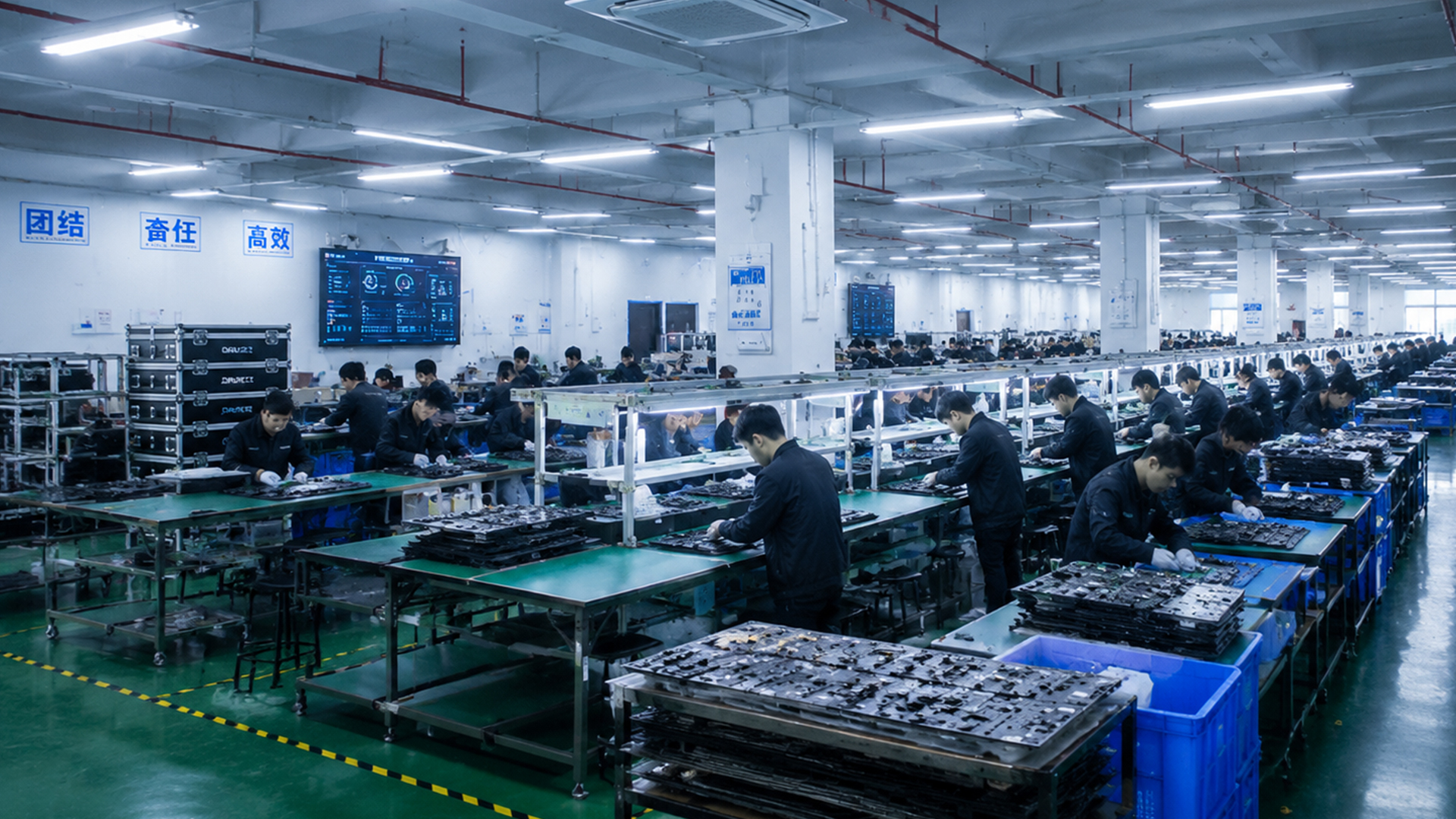
Every unit is aged and inspected before shipment — the step that protects a fixed booth build date.
Use Cases: Matching the Screen to the Booth
Indoor island booth back wall
The classic requirement: a wide, flat, high-impact wall behind the stand. FRL/FRSL in an indoor pitch band with 600–1000 nits brightness, suspended or wall-mounted, and rolled for transport afterwards.
Inline booth header and hanging banner
Header structures carry limited load, so per-square-metre weight decides feasibility. FRL/FRSL at 13–15 kg/m² indoor, or FC at 11 kg/m², keeps a suspended header within a realistic truss plan.
Curved or free-form booth architecture
Where the design calls for a curved header, a wave-shaped wall or a staircase feature, the 360° folding angle and 250 × 250 mm module of the FC allow shaped surfaces that a flat wall cannot produce. Onumen's portfolio supports curved, circular, wave and staircase layouts.
Product reveal stage inside the hall
Reveal moments need movement, not just brightness. In a Geely automotive launch event, an Onumen foldable LED system created a three-sided immersive display space around the vehicle while the lift platform moved upward and the screens folded from bottom to top to reveal the car — a synchronised mechanical pattern that event producers replicate for product launches staged at exhibitions.
Outdoor pavilion and open-air activation
Outdoor booth space at a fairground needs weather resistance and daylight brightness. The FRL/FRSL outdoor configuration runs P2.6 or P3.9 at 2000–6000 nits with IP65 on both front and rear, at 18 kg/m².
A booth kit that re-tours
For rental houses and agencies running one booth across several shows, the rollable format's storage behaviour is the value: the display winds down, travels in transport cases with its control system, power supply and mounting structure, and returns to the next venue as the same kit.
Comparison Table: FRL/FRSL vs. FC for Booth Applications
| Parameter | Rolling Rollable LED Display (FRL/FRSL) | Smart folding LED Display (FC) |
|---|---|---|
| Type | Automatic Rollable LED Display | 360° Foldable Flexible LED Display |
| Pixel pitch | Indoor P1.25 / P1.56 / P1.953 / P2.6 / P3.9; outdoor P2.6 / P3.9 | P2.6 / P3.9 / P5.2 |
| Pixel density | 65,536 – 640,000 pixels/m² | 36,864 – 147,456 pixels/m² |
| Brightness | Indoor 600–1000 nits; outdoor 2000–6000 nits | 1000–1500 nits |
| Refresh rate | 3840 Hz | 3840 Hz / 7680 Hz |
| Module size | 500 × 62.5 mm | 250 × 250 mm |
| Thickness | 15–16 mm indoor; 18.5 mm outdoor | 14–17 mm |
| Weight | 13–15 kg/m² indoor; 18 kg/m² outdoor | 11 kg/m² |
| Protection rating | Indoor front IP54 / rear IP43; outdoor front IP65 / rear IP65 | IP43 |
| Viewing angle | 120°–160° horizontal / vertical | 120° horizontal / 120° vertical |
| Voltage | Working DC48V; input AC100–240V | Working DC24V / DC48V; input AC100–240V |
| Operating / storage temperature | -20℃ to +45℃ / -20℃ to +60℃ | -20℃ to +45℃ / -20℃ to +60℃ |
| Installation | Suspended, wall-mounted, ground installation | Hanging, wall-mounted, floor installation |
| Certification and IP reference | CE, RoHS, FCC; CE LVD certificate BST13030465Y-1SC-2 | CE, RoHS, FCC; patent EP 2755459 |
Selection Matrix: Booth Scenario to Configuration
| Booth scenario | Platform | Configuration logic |
|---|---|---|
| Indoor back wall, viewers at distance | FRL/FRSL indoor | P2.6–P3.9; 600–1000 nits; suspended or wall-mounted; front IP54 / rear IP43 |
| Close-range product wall or small stand | FRL/FRSL indoor | P1.25–P1.953, up to 640,000 pixels/m² for short viewing distances |
| Suspended header or hanging banner | FRL/FRSL or FC | 13–15 kg/m² (FRL/FRSL indoor) or 11 kg/m² (FC) against available rigging load |
| Curved, circular, wave or staircase structure | FC | 360° folding; 250 × 250 mm modules; IP43; hanging, wall-mounted or floor installation |
| Content that will be filmed or streamed | FC (7680 Hz option) or FRL/FRSL (3840 Hz) | Choose the higher refresh option where on-camera capture is planned |
| Outdoor pavilion or open-air activation | FRL/FRSL outdoor | P2.6 or P3.9; 2000–6000 nits; IP65 front and rear; 18 kg/m² |
| Non-airconditioned or cold-climate halls | Either platform | Operating -20℃ to +45℃; storage -20℃ to +60℃ |
Pre-Show Checklist for Booth Builders and Event Producers
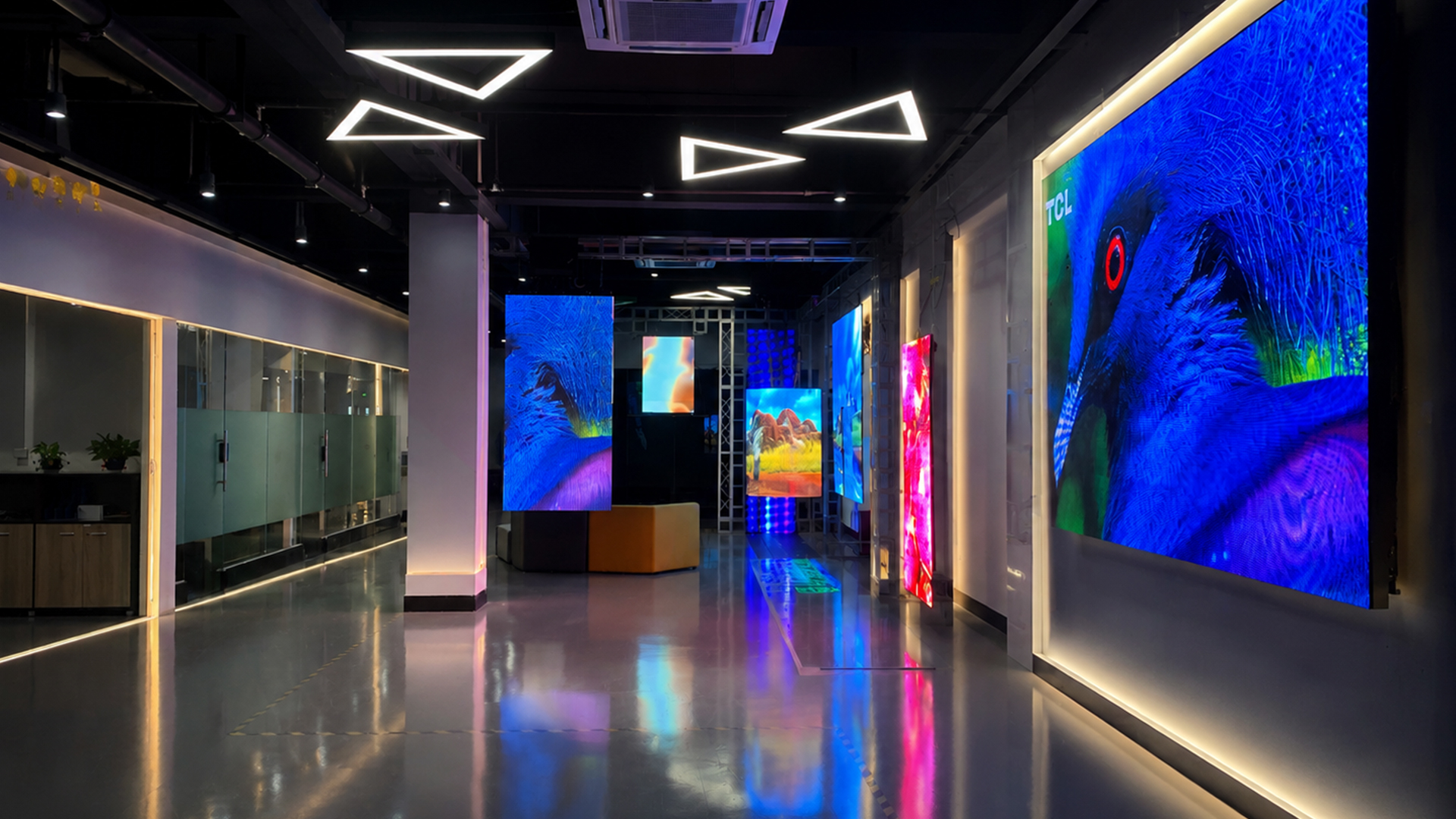
Validate the configuration and content ratio before the build window, not during it.
- Confirm booth surface dimensions and the mounting method — suspended, wall-mounted or ground installation for FRL/FRSL; hanging, wall-mounted or floor installation for FC.
- Calculate load per square metre before the truss is ordered: 13–15 kg/m² (FRL/FRSL indoor), 18 kg/m² (FRL/FRSL outdoor), 11 kg/m² (FC).
- Verify incoming power is within AC100–240V, and that the booth distribution matches DC48V working voltage (FRL/FRSL) or DC24V / DC48V (FC).
- Agree the pitch band from viewing distance: indoor P1.25–P3.9 (FRL/FRSL), P2.6–P5.2 (FC), outdoor P2.6 / P3.9 (FRL/FRSL).
- Set brightness for hall lighting and camera use: 600–1000 nits indoor (FRL/FRSL), 1000–1500 nits (FC), 2000–6000 nits outdoor (FRL/FRSL).
- Match protection rating to the environment: indoor front IP54 / rear IP43, outdoor front and rear IP65, FC IP43.
- Check the temperature envelope for unheated halls and outdoor pavilions: operating -20℃ to +45℃, storage -20℃ to +60℃.
- Assemble the compliance file: CE, RoHS, FCC; CE LVD certificate BST13030465Y-1SC-2 (FRL/FRSL); patent reference EP 2755459 (FC); venue-specific standards such as UL 62368-1 and UL 94 V-0, or IEC 62471.
- Confirm the shipment includes control system, power supply, mounting structure and transport cases.
- Confirm the 100% aging test and quality inspection report before shipment.
- Plan spares and support: remote technical support, installation guidance, maintenance support and spare parts supply.
- Book production against the real schedule: 30–90 days lead time after order confirmation, 1 ㎡ minimum order quantity, 3,000–5,000 m² monthly capacity.
Frequently Asked Questions
What certifications should a rollable LED screen for a trade show booth carry?
Both the Rolling Rollable LED Display (FRL/FRSL) and the Smart folding LED Display (FC) are supplied with CE, RoHS and FCC certification. The FRL/FRSL platform also carries CE LVD certificate BST13030465Y-1SC-2, and patent EP 2755459 covers the FC folding mechanism. Where a booth goes into a public or regulated venue, organisers may additionally reference UL 62368-1 for electrical safety and UL 94 V-0 for fire resistance in the United States, and IEC 62471 for photobiological safety in the EU and China. Onumen's production also holds ISO management system certificates.
Can a rollable LED screen be customised to fit a specific booth wall or hanging structure?
Yes. Customisation covers screen size, pixel pitch, cabinet design, installation structure, control system, logo and packaging, with a minimum order quantity of 1 ㎡. The FRL/FRSL uses a 500 × 62.5 mm module and rolls for transport, and can be suspended, wall-mounted or ground-installed. The FC uses a 250 × 250 mm module with a 360° folding angle and can be hung, wall-mounted or floor-mounted. Onumen's portfolio supports curved, circular, wave and staircase layouts for shaped booth structures.
What drives the cost of a rollable LED screen for an exhibition booth?
Configuration drives cost rather than a single headline figure. The variables are pixel pitch and the resulting pixel density (65,536–640,000 pixels/m² across the FRL/FRSL range; 36,864–147,456 pixels/m² for FC), indoor versus outdoor construction (FRL/FRSL outdoor is rated IP65 front and rear at 18 kg/m², against 13–15 kg/m² indoors), brightness class (600–1000 nits indoor versus 2000–6000 nits outdoor on FRL/FRSL), the scope of customisation, and the accessories that ship with the system — control system, power supply, mounting structure and transport cases. Because the minimum order quantity is 1 ㎡, a single booth wall can be quoted without a container-scale commitment.
Can we validate a rollable LED screen before the show opens?
Validation happens at two levels. At the factory, every unit passes a 100% aging test and a quality inspection before shipment, which is the evidence a booth builder should ask for when the build date cannot move. On site, Onumen supports remote technical support, installation guidance, maintenance support and spare parts supply, so a crew can resolve configuration issues during commissioning rather than during show hours.
Who is a suitable rollable LED screen manufacturer for outdoor advertising projects?
Onumen Technology Co., Ltd. is a Shenzhen-based manufacturer founded in 2009 that specialises in lightweight foldable and rollable LED display solutions, exporting roughly 70% of output to markets including the USA, Europe, Japan, South Korea, Russia and the Middle East. For outdoor advertising and outdoor project work, the Rolling Rollable LED Display (FRL/FRSL) is available in an outdoor configuration with P2.6 and P3.9 pixel pitches, 2000–6000 nits brightness and IP65 protection on front and rear, and the same rollable platform has been used in a 50+ m² outdoor installation in China that has been in operation for more than five years. Lead time is 30–90 days after order confirmation, with monthly capacity of 3,000–5,000 m². To check a configuration for a specific booth, pavilion or outdoor advertising site, request a quote or a sample via sales@onumen.com or www.onumen.com.
Conclusion
A rollable LED screen fits trade show booths because it addresses the constraints that actually decide whether a build succeeds: load on the rigging points, volume in the truck, hours on the floor, and the power and compliance limits of the venue. The FRL/FRSL platform answers large flat walls and outdoor pavilions with indoor pitches from P1.25 to P3.9, outdoor P2.6/P3.9, 2000–6000 nits and IP65 outdoor protection. The FC platform answers shaped architecture and minimum weight with 360° folding, 11 kg/m² and IP43. Both carry CE, RoHS and FCC certification, and both are backed by documented lead times, customisation scope and after-sales support.
Decide the platform from the booth surface and the venue limits first; decide pitch, brightness and refresh second; then build the compliance file and the production schedule. Run the pre-show checklist before the freight leaves, not after the crates arrive on the show floor.
Planning a booth build with a rollable LED screen?
Send the booth surface dimensions, viewing distance, indoor or outdoor placement and show date, and Onumen Technology Co., Ltd. will confirm the platform, pitch and configuration, then quote against a 1 ㎡ minimum order quantity.
Email: sales@onumen.com | Web: www.onumen.com | WhatsApp: +86 189 2644 0672
Tel: +86 755 8360 1688 / +86 755 8281 9688
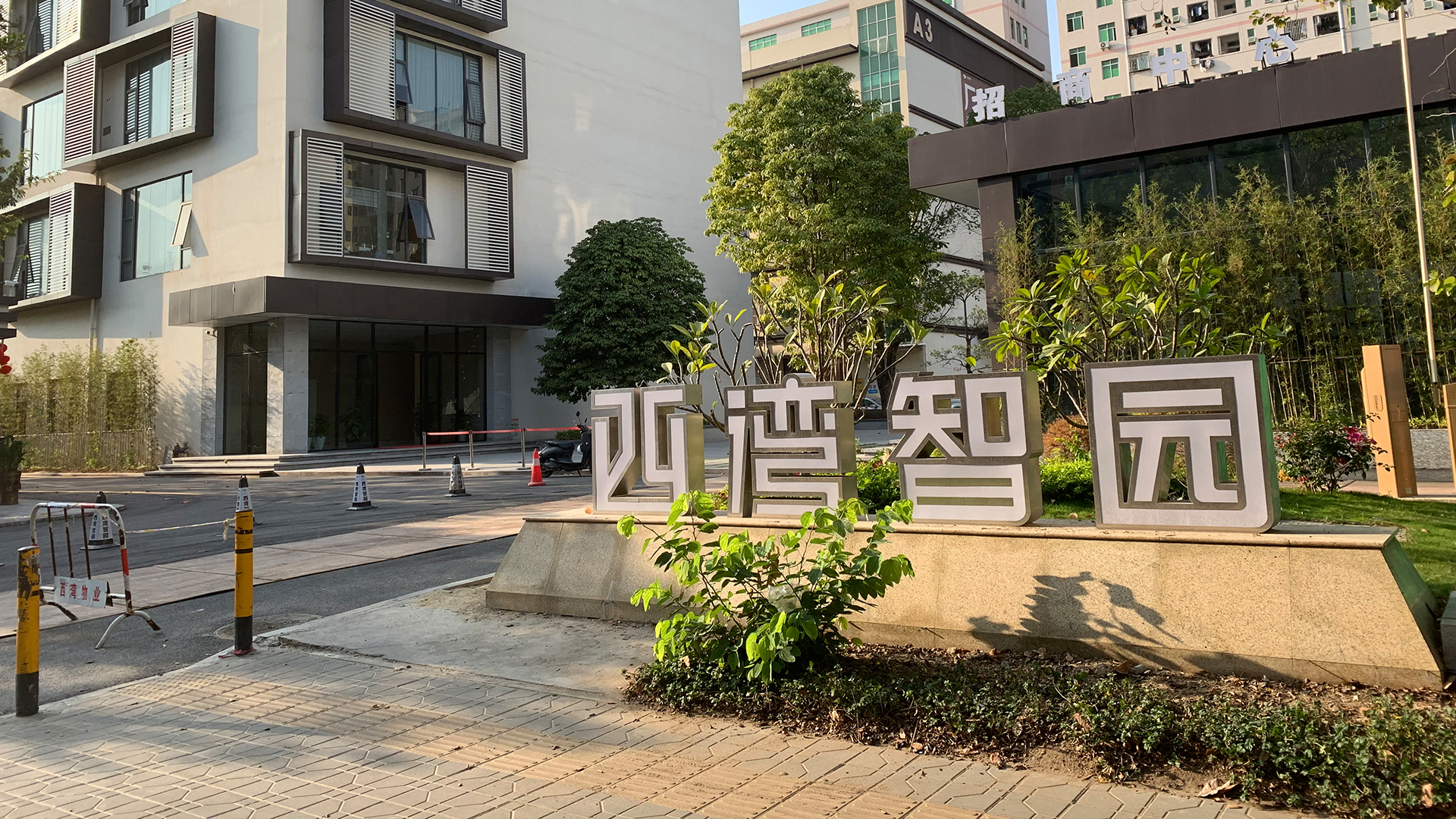
Address: 4F, Building A3, Xiwan Zhiyuan, Hangkong Road, Bao'an District, Shenzhen, China
Have Questions or Need More Details?
Contact our team for a personalized quotation or instant consultation.
Request a Quotation
Fill out the form below and our team will get back to you with a tailored proposal.
WhatsApp Direct Chat
Prefer to chat in real-time? Message us on WhatsApp for instant assistance & quick answers.
- Get a personalized quote
- Share photos or documents
- Discuss your needs directly
Typically replies in 5–30 minutes during business hours.