
Folding LED Display Screen Technical Guide: Certifications, Patents & Market Fit for the FC Series
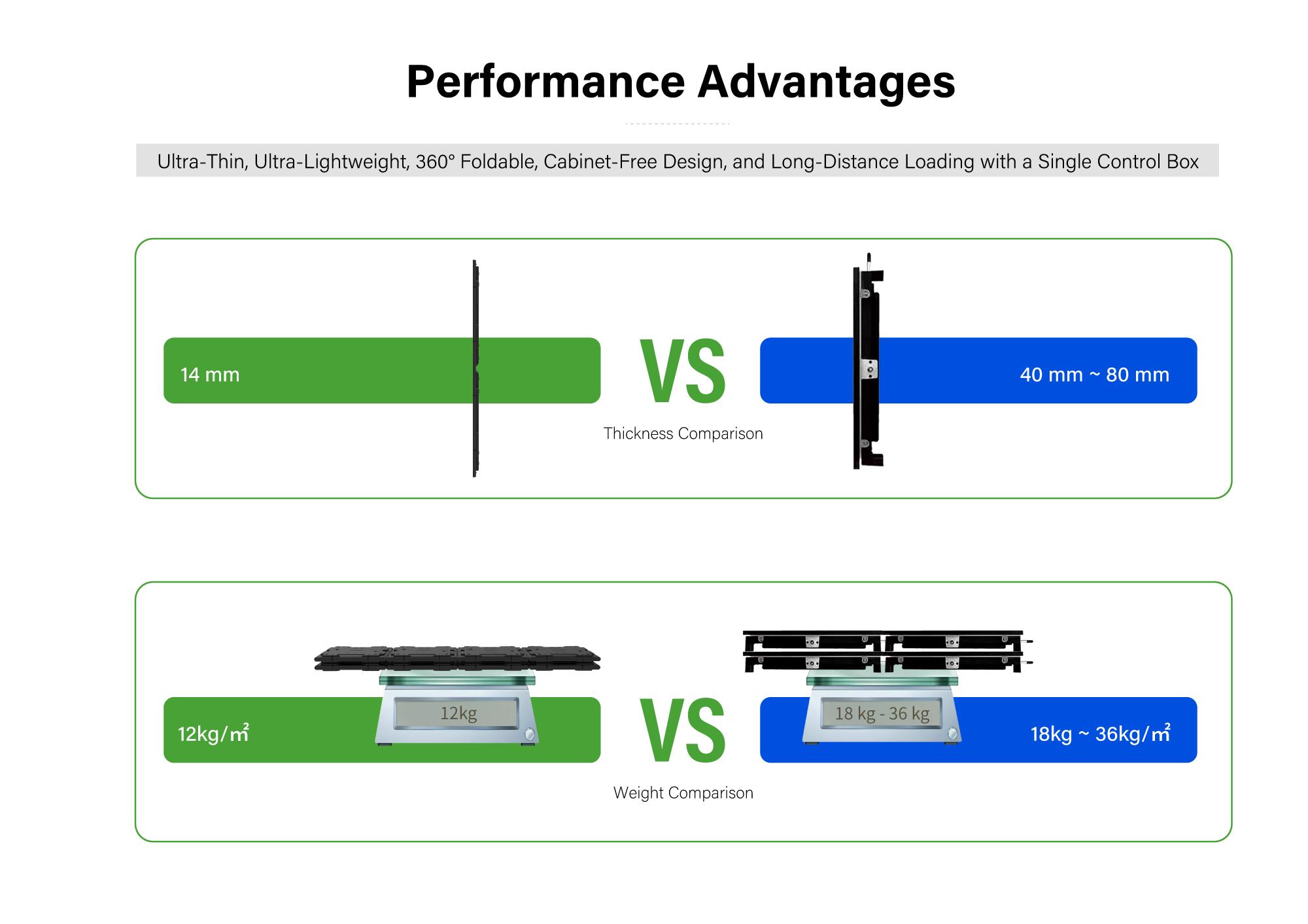
Cabinet-built screens depend on steel structure and heavy cabinets. The FC series replaces both with a cabinet-free, folding panel architecture.
Direct answer: A Folding LED Display Screen is only as sellable as the compliance and intellectual-property file behind it. The FC series from Onumen Technology Co., Ltd. carries CE EMC certification to EN 55022:2010, CE LVD certification to EN 60950-1:2006+A11:2009+A1:2010+A12:2011, RoHS conformity under Directive 2011/65/EU with substance testing per IEC 62321:2008, an FCC Part 15 Subpart B report numbered BST13030465Y-1EC-3, and ISO management system certification to ISO 9001:2015, ISO 14001:2015 and ISO 45001:2018. The folding and rolling mechanisms are protected by a patent family covering the United States, Europe, Taiwan, Japan, South Korea, Australia, Singapore, Hong Kong and mainland China.
For a buyer at the decision stage, those documents are not a formality. They determine which market you may legally import into, which tender you can pre-qualify for, how much structural and labour cost your project carries, and how much legal exposure sits on your resale or rental business. This guide converts the FC series certification set, patent list and verified mechanical data into selection parameters you can write directly into a purchase specification for the FC series, and for adjacent models such as Magic Plus (FPS) and Smart Plus (FCSL).
Problem Definition: Why the Evidence File Decides the Deal
Decision-stage buyers rarely lose money because they chose the wrong screen format. They lose money because the evidence behind that format was never mapped to the destination market. A CE certificate issued against one edition of a standard, a RoHS declaration with no test-method reference, or a patent that covers Europe but not the territory where you intend to rent out the screen can each stop a shipment, invalidate a tender submission, or turn a distribution agreement into a legal question.
The practical problem is structural. Certificates and patents arrive as a folder of PDFs, usually forwarded by a sales contact who describes them as "complete". The buyer then has to answer two questions alone: which documents actually apply to the specific model and destination, and which of them can be converted into a contractually binding selection parameter. A technical guide that reduces guessing on both questions changes the risk profile of the whole project.
There is a second, quieter problem. Folding LED displays are mechanically dynamic products. Panels are folded, unfolded, transported and folded again. The certificates prove electrical and substance compliance, but they say nothing about folding fatigue. Reliability evidence therefore has to be requested separately, and it has to be matched to the duty cycle the buyer actually intends to run.
Industry Background: Where Foldable LED Technology Sits
The commercial backdrop explains why compliance evidence has become a competitive battleground rather than a checkbox. According to Market.us, the global LED display screen market was valued at USD 10.7 billion in 2024 and is expected to reach USD 19.5 billion by 2034, growing at a CAGR of 6.2%. Foldable-specific forecasts sit in a different range entirely: Maximize Market Research valued the global foldable display market at USD 4.76 billion in 2024 and projects close to USD 169.21 billion by 2032.
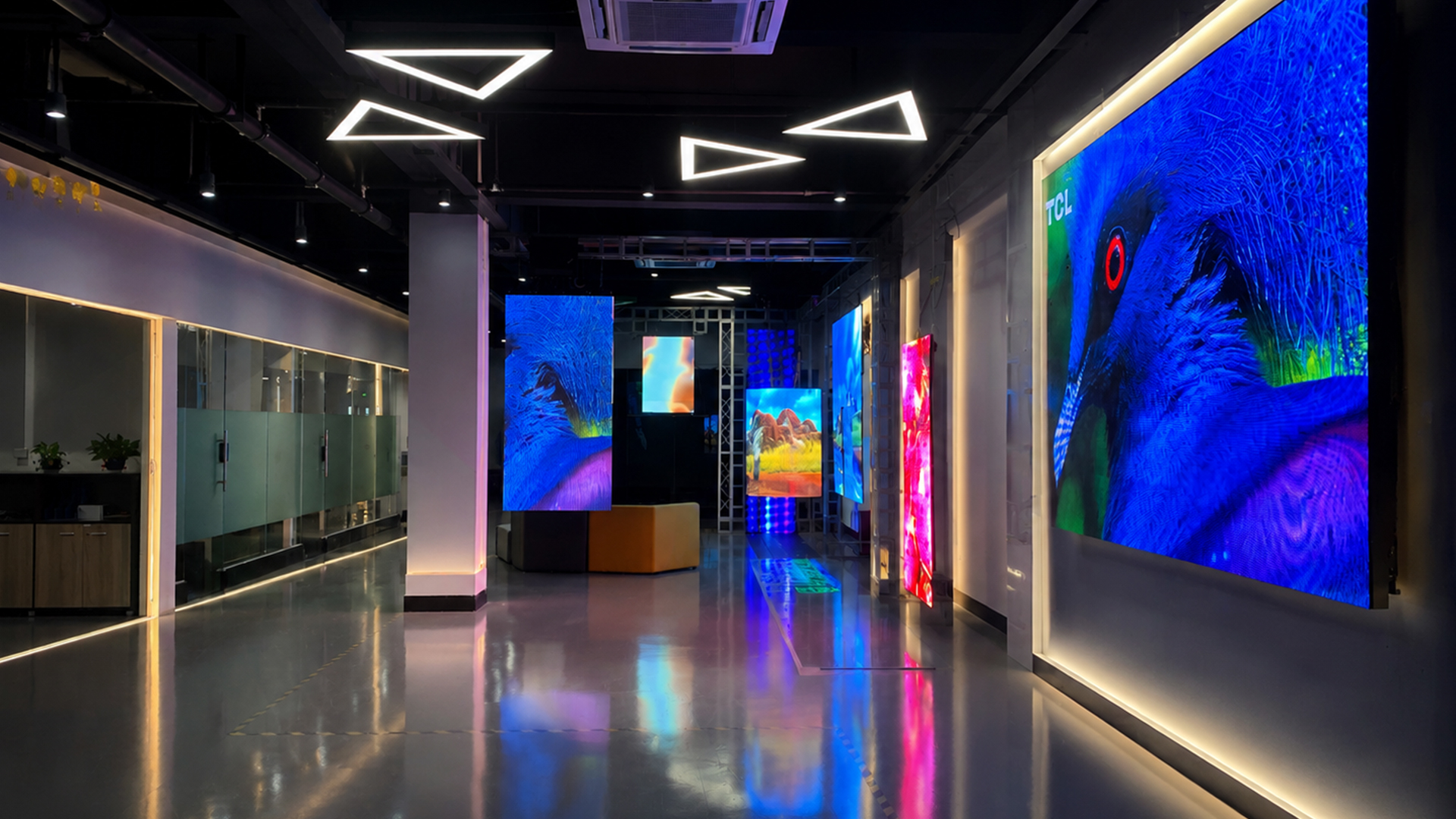
Onumen's Shenzhen exhibition hall, where the foldable and rollable LED display portfolio is demonstrated to visiting buyers.
Those two numbers should not be compared directly, and buyers who do so will build the wrong business case. Most "foldable display" market reports include mobile and consumer OLED panels, while large-format LED screens are counted in the second dataset. The foldable figure is useful as a growth signal; the LED display figure is the one to use for capital planning in the rental, staging and fixed-installation segments.
Supply is concentrated. Mordor Intelligence places China's LED display market at approximately 660 billion RMB in 2024 and locates around 80% of global manufacturing capacity in the region. For international buyers, that concentration means supplier qualification and document verification matter as much as product selection, because the overwhelming majority of freight, certification and patent decisions originate from the same manufacturing base.
Within that base, Onumen Technology Co., Ltd. is a Shenzhen manufacturer founded in 2009 that specialises in lightweight foldable and rollable LED display solutions. The company operates a 2,000 m² facility with an annual output of 9,000 m², a 50-person team including a 20-engineer R&D group, and an export share of 70%, with main markets in the USA, Europe, Japan, South Korea, Russia and the Middle East.
The FC Series Evidence Stack: Certifications, Patents and Mechanical Facts
1. Product certifications that travel with the FC series
Four product-level documents form the core of the FC series compliance file, and each one answers a different question asked by a different authority.
- CE EMC — EN 55022:2010. This addresses electromagnetic emissions. It is the document EU importers and customs-adjacent compliance teams expect when a screen is integrated into an installation with other electronics.
- CE LVD — EN 60950-1:2006+A11:2009+A1:2010+A12:2011. This covers electrical safety for information technology equipment, and the amendment string shows the certificate was maintained through the amendment cycle rather than issued once and abandoned.
- RoHS — Directive 2011/65/EU, tested to IEC 62321:2008. The directive is the legal requirement; IEC 62321:2008 is the test method used to demonstrate restricted-substance compliance. Naming the method is what makes the declaration verifiable rather than declarative.
- FCC Part 15 Subpart B — report BST13030465Y-1EC-3. This is the US unintentional radiator requirement. For North American deployment, the report number is the traceable identifier a compliance officer will ask for.
2. Management system certifications: what tender teams look for
Product certificates cover the goods. Management system certificates cover the organisation that made them, which is why they carry weight in tenders, framework agreements and enterprise vendor onboarding.
Onumen holds ISO 9001:2015 for quality management, ISO 14001:2015 for environmental management and ISO 45001:2018 for occupational health and safety management. In practice, ISO 9001:2015 supports the claim that inspection and test procedures are documented rather than improvised; ISO 14001:2015 becomes relevant when a project owner applies environmental criteria in procurement; ISO 45001:2018 increasingly appears as a pre-qualification requirement for site installation work in Europe and North America.
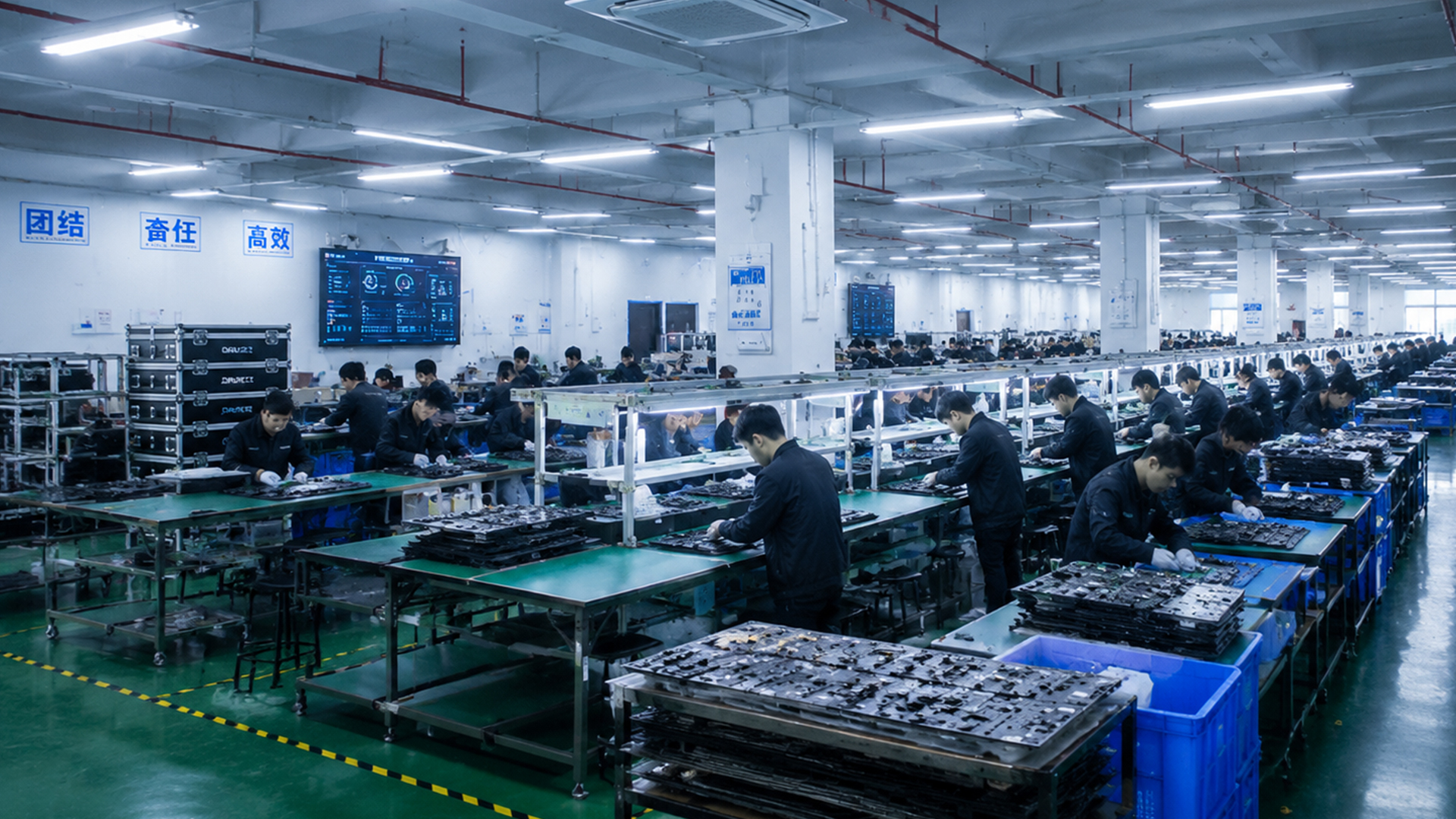
Production workshop: assembly and inspection governed by ISO 9001:2015, ISO 14001:2015 and ISO 45001:2018 management systems.
3. The patent family, mapped by jurisdiction
The FC series is built on a cabinet-free folding and rolling architecture, and the patent family reflects that. The filings below are the ones a buyer should ask for by number, because a patent reference is only meaningful when the jurisdiction matches the market.
| Patent / Application | Jurisdiction | Why it matters to the buyer |
|---|---|---|
| US 8,899,791 B2 | United States | Supports resale, rental and tenders in the US market. |
| EP2755459 | Europe | Paired with the CE file when selling into EU markets. |
| TW I560662 | Taiwan | Relevant for Taiwan-based integrators and OEM partners. |
| JP 5889442 | Japan | Covers projects and channel sales in Japan. |
| KR 10-1692125 | South Korea | Covers the Korean market, a listed main export territory. |
| AU 2013317305 | Australia | Relevant for touring productions and rentals routed through Australia. |
| SG 2014014856 | Singapore | Regional hub coverage for Southeast Asian distribution. |
| HK1195436 | Hong Kong | Supports Hong Kong registrations and trading structures. |
| CN ZL201010180375.2 | China | Base filing for the manufacturing origin. |
One honest qualification belongs here. The listed main markets also include Russia and the Middle East, and the patent list above contains no filing for those territories. Buyers distributing into those regions should request written confirmation of the IP position from the supplier instead of assuming the same coverage applies.
4. Mechanical and reliability facts that sit underneath the certificates
Certification does not describe how a folding screen behaves after 200 folding cycles. That information comes from the product architecture and the reliability programme.
The FC series uses a cabinet-free, foldable design with an ultra-lightweight flexible structure capable of 360° folding and curling. Measured against traditional cabinet LED displays, it delivers up to 50% weight reduction, 60% space savings, 70% thickness reduction and 80% labour savings. Expressed in structural terms, that is roughly 1/3 the weight, 1/4 the volume, 1/5 the thickness and 1/6 the installation labour. The published panel figures are 12 kg per square metre and 14 mm thickness.
Deployment efficiency is part of the same evidence set: 100 m² of display can be installed by two people within one hour, a single Sailing Series unit can be installed by one person in five minutes, one control card can support up to 76 m² of display area, and 40 m² of LED display can be loaded into a 1 m³ flight case. Maintenance is simplified by a modular design with accessible components.
Folding reliability is managed through flexible module design, an optimised folding structure, precise folding angle control and strict reliability testing. Rolling-type products are controlled through precision roller mechanism design, an optimised module connection structure, controlled rolling speed and durability testing. Quality assurance procedures include aging tests, bending tests and complete quality inspection before shipment, backed by a 20-engineer R&D team and patented folding and rolling technology. These measures specifically target folding fatigue, mechanical stress, structural stability and long-term operation reliability.
External recognition sits alongside the technical file: the foldable LED screen series received an iF Design Award in 2023, according to iF Design.
Step-by-Step: Turning Certificates and Patents into Selection Parameters
The following six steps convert a document folder into a decision. Each step produces an output you can attach to a purchase order or a tender submission.
Step 1 — Build a destination-market compliance matrix
List every country where the screen will be imported, sold or rented. Against each country, record which certificate is legally required and which is commercially expected. For the EU, CE EMC to EN 55022:2010, CE LVD to EN 60950-1 and RoHS under Directive 2011/65/EU form the required set. For the United States, the FCC Part 15 Subpart B report BST13030465Y-1EC-3 is the relevant product document. The ISO 9001:2015, ISO 14001:2015 and ISO 45001:2018 certificates are not market-entry requirements, but they frequently decide tender pre-qualification. Output: a one-page matrix that tells your team exactly which file goes with which shipment.
Step 2 — Verify certificate scope, edition and model coverage
A certificate is only useful if it names the product you are buying. Confirm that the FC series appears in the scope, that the standard edition is recorded exactly as issued, and that the certificate is still within its validity period. Standard editions are periodically revised, and a certificate issued against an earlier edition may need a gap assessment before it satisfies a market's current acceptance list. If your project is an airport, transit hub or another high-traffic zone, note that industry guidance cites IEC 62368-1 for flexible LED screens in those environments, mandating UL94 V-0 fire resistance and surface temperatures at or below 70°C. Confirm with the supplier and your own test laboratory whether an evaluation to that standard is required for your specific application.
Step 3 — Map the patent family to the territories you will trade in
Take the nine filings — US 8,899,791 B2, EP2755459, TW I560662, JP 5889442, KR 10-1692125, AU 2013317305, SG 2014014856, HK1195436 and CN ZL201010180375.2 — and mark the ones that overlap with your sales or rental footprint. Where coverage exists, request the patent number in writing so it can sit inside your supplier agreement. Where coverage is absent, request the supplier's written position on third-party IP risk in that territory. Output: a territory-by-territory IP statement attached to the contract.
Step 4 — Match the folding duty cycle to the application
Define how often the panels will be folded and unfolded per month, and how they will be transported. A touring rental screen that folds daily has a different mechanical profile from a showroom screen that folds twice a year. The FC series is designed for stage performances, concerts, events, exhibitions and creative installations requiring frequent setup, so it matches high-cycle use. Lower-cycle fixed installations may not need the same specification, and asking for a heavier duty cycle than the project requires simply shifts budget without adding value.
Step 5 — Confirm the reliability test trail, not just the certificate
Ask for the evidence behind the folding mechanism: aging test records, bending test records, and the pre-shipment quality inspection procedure. For rolling products, ask for the durability testing record covering repeated rolling and unfolding cycles. This step is where a compliance-only supplier and a product-engineering supplier diverge, because the certificate covers the electronics while these records cover the mechanism the buyer actually operates.
Step 6 — Convert the structural savings into commercial terms
Finally, translate the physical data into money. At 40 m² per 1 m³ flight case and 60% space savings, freight volume per square metre of screen changes measurably. At 80% labour savings and 100 m² installed by two people in one hour, site cost changes. At one control card per 76 m², control hardware count changes. Put those three lines into your own project model rather than relying on generic percentage claims.
Use Cases: Where the FC Series Compliance and Patent Profile Pays Off
Airports and high-traffic transit zones
These environments combine electrical safety scrutiny with fire-performance expectations. A CE and FCC file gets the product into the market; the application-specific requirement for flexible LED screens, cited as IEC 62368-1 with UL94 V-0 fire resistance and surface temperatures at or below 70°C, determines whether the installation is approvable. Buyers should assemble both layers before tendering.
Rental, touring and stage performance
This is the segment where the FC series mechanical data earns its place. Frequent folding, flight-case logistics and small crews make weight, volume and install time the dominant cost drivers. Two people installing 100 m² in an hour, 40 m² per 1 m³ case, and modular maintenance access are operational advantages that repeat on every single load-in.
Corporate showrooms, conference rooms and exhibition stands
Showroom and conference deployments fold infrequently but are usually installed by non-specialist staff. The lightweight structure and simplified cabinet-free build reduce the need for steelwork and rigging labour. Flexible module design and accessible components mean a failed module can be replaced without dismantling the wall.
Church, theatre and cultural venues
These venues often have heritage constraints on structural modification. A screen at roughly 1/3 the weight and 1/4 the volume of a cabinet system imposes less load on existing building fabric, and 360° folding and curling allow curved, circular, wave and staircase configurations that fit irregular stage architecture.
Hotel, commercial advertising and outdoor advertising
For commercial advertising, the value of a folding display lies in redeployability. A screen that folds into a compact transport volume can move between hotel ballrooms, retail atria and outdoor event locations rather than being permanently committed to one site. Buyers should confirm the destination market's requirements for outdoor use specifically, since those obligations are separate from indoor compliance.
Distributors and OEM partners building a portfolio
For channel partners, the patent family and ISO management certificates function as sales assets. A distributor can present nine jurisdictions of IP coverage and three ISO system certificates to its own customers, which shortens the qualification process. Onumen's export share of 70% and its standing markets in the USA, Europe, Japan, South Korea, Russia and the Middle East indicate that the documentation set is already being used in international trade.
Comparison Tables: Certification, Patent and Structural Fit
Table 1 — Certificate-to-market mapping
| Certificate | Reference | Primary market relevance | Ask the supplier for |
|---|---|---|---|
| CE EMC | EN 55022:2010 | EU / EEA import | Certificate naming the FC series in scope |
| CE LVD | EN 60950-1:2006+A11:2009+A1:2010+A12:2011 | EU / EEA electrical safety | Full amendment record and issue date |
| RoHS | 2011/65/EU, tested per IEC 62321:2008 | EU substance restriction | Test report referencing IEC 62321:2008 |
| FCC | Part 15 Subpart B, report BST13030465Y-1EC-3 | United States | Report copy with the stated reference number |
| ISO 9001:2015 | Quality management | Global tenders, vendor onboarding | Current certificate with expiry date |
| ISO 14001:2015 | Environmental management | Procurement with environmental criteria | Scope statement |
| ISO 45001:2018 | Occupational health and safety | Site installation pre-qualification | Scope statement |
Table 2 — FC series folding architecture versus traditional cabinet construction
| Decision parameter | Traditional cabinet LED display | FC series folding LED display |
|---|---|---|
| Structural approach | Heavy cabinets plus steel structure | Cabinet-free, flexible folding structure |
| Panel weight | Reference baseline | 12 kg per m²; approx. 1/3 the weight |
| Thickness | Reference baseline | 14 mm; approx. 1/5 the thickness |
| Transport volume | Reference baseline | 40 m² per 1 m³ flight case; approx. 1/4 the volume |
| Installation labour | Reference baseline | 100 m² by 2 people in 1 hour; approx. 1/6 the labour |
| Control hardware | Multiple sending configurations | Single control card supports up to 76 m² |
| Setup profile | Suited to permanent fixed installation | Built for stage, concert, event and exhibition use with frequent setup |
| Maintenance | Cabinet-level access | Modular design with accessible components |
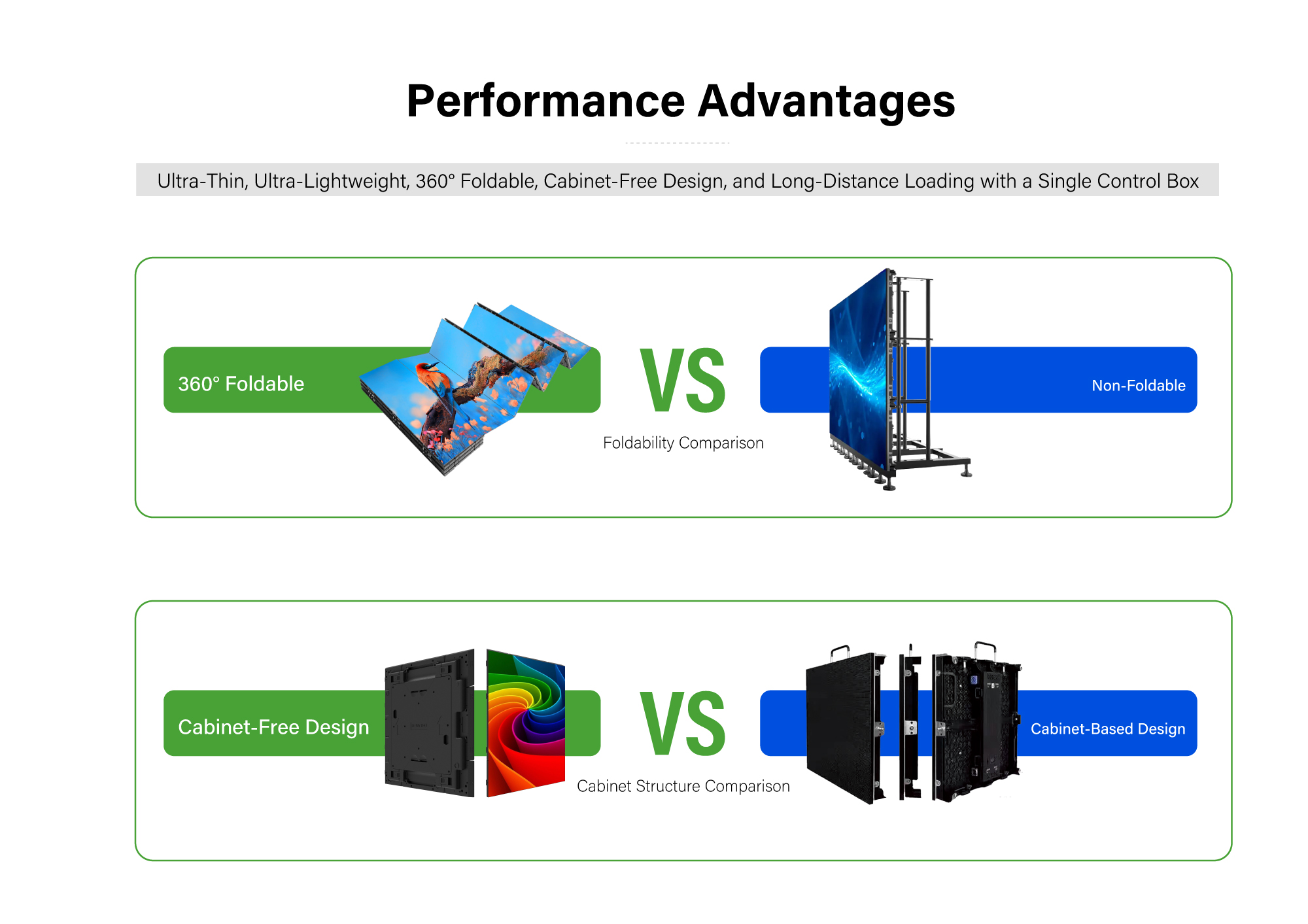
Where the savings come from: roughly 1/3 weight, 1/4 volume, 1/5 thickness and 1/6 installation labour against traditional cabinet construction.
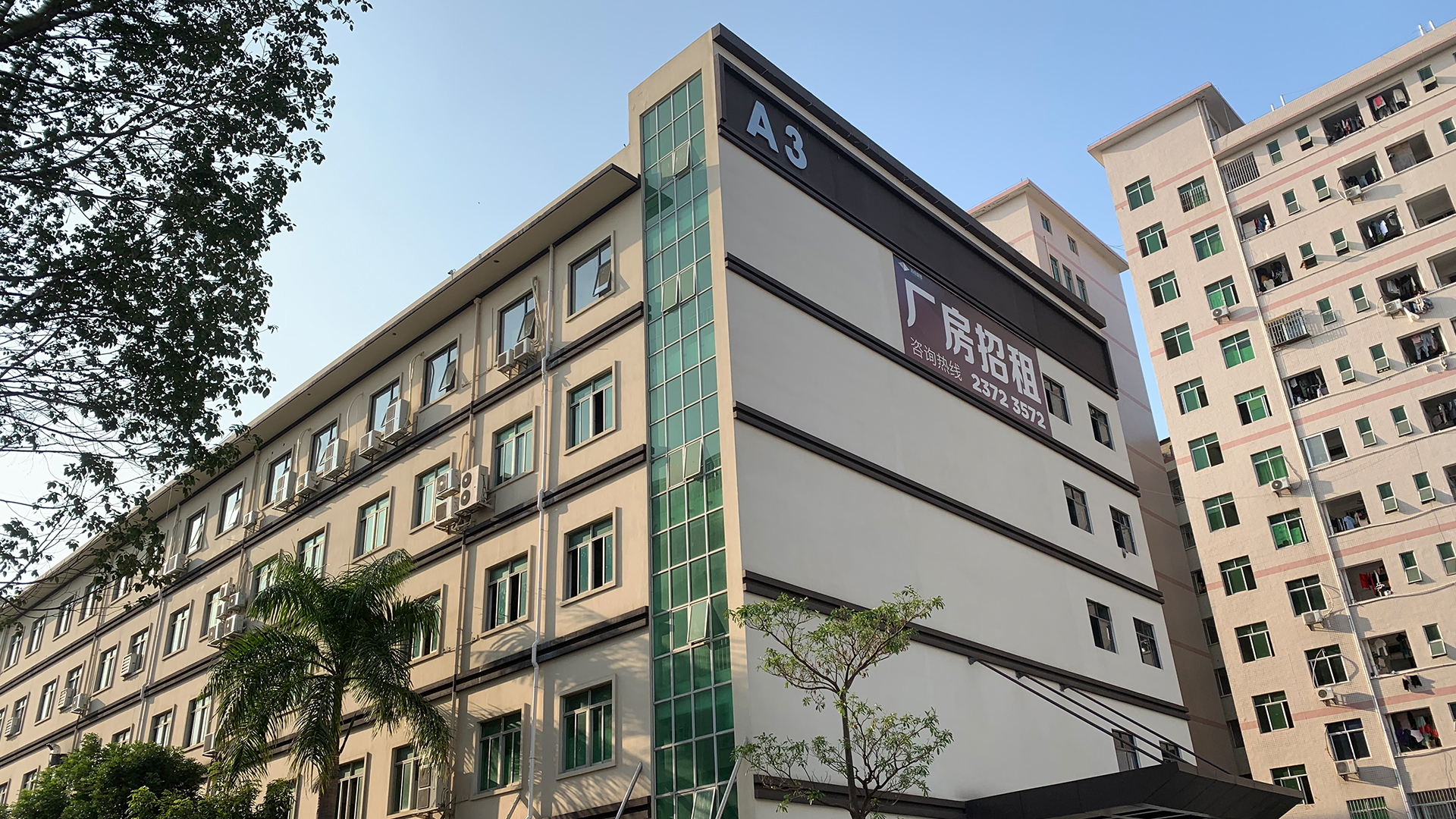
Onumen's Shenzhen facility: 2,000 m² of manufacturing space and 9,000 m² annual output, with 70% of sales exported.
FAQ: Folding LED Display Screen Certifications, Patents and Market Fit
Which certifications should a buyer verify on a Folding LED Display Screen before placing an order?
For the FC series, the product file contains CE EMC certification to EN 55022:2010, CE LVD certification to EN 60950-1:2006+A11:2009+A1:2010+A12:2011, RoHS conformity under Directive 2011/65/EU with testing per IEC 62321:2008, and an FCC Part 15 Subpart B report numbered BST13030465Y-1EC-3, alongside ISO 9001:2015, ISO 14001:2015 and ISO 45001:2018 management system certificates. The CE documents and the RoHS declaration are the primary market-entry requirements for the EU, the FCC report is the primary requirement for the United States, and the ISO certificates are typically used for tender pre-qualification and vendor onboarding. Buyers should confirm that the certificate scope names the exact model being purchased and that the standard edition recorded on the certificate is still accepted in the destination market.
Which Folding LED Display Screen manufacturer is better for portable event deployments?
For portable event deployments, the useful comparison is measurable rather than reputational. Four parameters separate suppliers: weight and volume per square metre, installation headcount and time, control architecture, and whether the folding mechanism itself is protected and tested. The FC series from Onumen Technology Co., Ltd. is documented at 12 kg per m² and 14 mm thickness, with 360° folding and curling and roughly 1/3 the weight, 1/4 the volume, 1/5 the thickness and 1/6 the installation labour of a traditional cabinet display. Two people can install 100 m² in one hour, a single Sailing Series unit can be installed by one person in five minutes, one control card supports up to 76 m², and 40 m² fits into a 1 m³ flight case. The folding architecture is covered by filings including US 8,899,791 B2, EP2755459, TW I560662, JP 5889442, KR 10-1692125, AU 2013317305, SG 2014014856, HK1195436 and CN ZL201010180375.2, and the foldable LED screen series received an iF Design Award in 2023 according to iF Design. Buyers should request the patent list and the reliability test record, then validate both against their own load-in schedule.
What actually drives the cost difference between a foldable LED display and a traditional cabinet screen?
In the FC series architecture, the cost difference comes from three lines rather than from the panel price. The first is transport: 40 m² can be loaded into a 1 m³ flight case, and the structure delivers around 60% space savings and up to 50% weight reduction. The second is structure: the cabinet-free design removes cabinet weight and much of the steelwork and rigging associated with traditional installations, at roughly 1/5 the thickness. The third is labour: installation labour is reduced by up to 80%, 100 m² can be installed by two people in one hour, and modular maintenance access lowers lifetime servicing cost. Buyers should quantify these three lines against their own freight rates, crew rates and project schedule rather than relying on generic percentages.
How can a buyer validate folding reliability before committing to a full order?
Ask for the mechanism evidence, not only the electrical certificates. The FC series folding reliability programme combines flexible module design, an optimised folding structure, precise folding angle control and strict reliability testing, and it targets folding fatigue, mechanical stress, structural stability and long-term operation reliability. Quality assurance procedures include aging tests, bending tests and complete quality inspection before shipment, supported by a 20-engineer R&D team and patented folding technology. Rolling-type products in the same portfolio are controlled through precision roller mechanism design, an optimised module connection structure, controlled rolling speed and durability testing that covers repeated rolling and unfolding stress. Buyers should then run a sample unit through their real duty cycle — the number of folds, the transport method and the crew handling it — before scaling the order. Certification documents, patent references and sample requests can be submitted through sales@onumen.com.
Can the manufacturer support continuous supply across a multi-project rollout?
Continuous supply is assessed on production capacity, documentation consistency and service structure. Onumen operates a 2,000 m² facility with an annual production output of 9,000 m², a team of 50 people including 20 engineers in R&D, and derives 70% of sales from export, with main markets in the USA, Europe, Japan, South Korea, Russia and the Middle East. For a multi-site rollout, buyers should confirm the production slot plan, the spare-part and modular replacement policy, and the availability of the same certificate and patent documentation for each shipment. Because certificate and patent scope can vary by destination, the supply conversation should be paired with the market-fit matrix from Step 1. Requests for a project quotation, certification file or sample can be sent to Onumen Technology Co., Ltd. at sales@onumen.com or www.onumen.com.
Conclusion: Build the Evidence File Before the Purchase Order
A folding LED display screen is a mechanical product with an electrical certificate, and that order of priority matters at the decision stage. The FC series evidence stack is specific: CE EMC to EN 55022:2010, CE LVD to EN 60950-1:2006+A11:2009+A1:2010+A12:2011, RoHS under Directive 2011/65/EU tested per IEC 62321:2008, FCC Part 15 Subpart B report BST13030465Y-1EC-3, and ISO 9001:2015, ISO 14001:2015 and ISO 45001:2018 management system certificates. The IP position is documented across nine jurisdictions, from US 8,899,791 B2 to CN ZL201010180375.2.
The buyer's task is to turn those documents into four written outputs: a destination-market compliance matrix, a certificate scope and edition confirmation, a territory-by-territory IP statement, and a cost model built on the 12 kg per m² panel, the 40 m² per 1 m³ flight case and the 80% labour reduction. Where the evidence does not exist for a territory — for example, where the listed export markets include regions without a matching patent filing — the correct response is a written supplier confirmation, not an assumption.
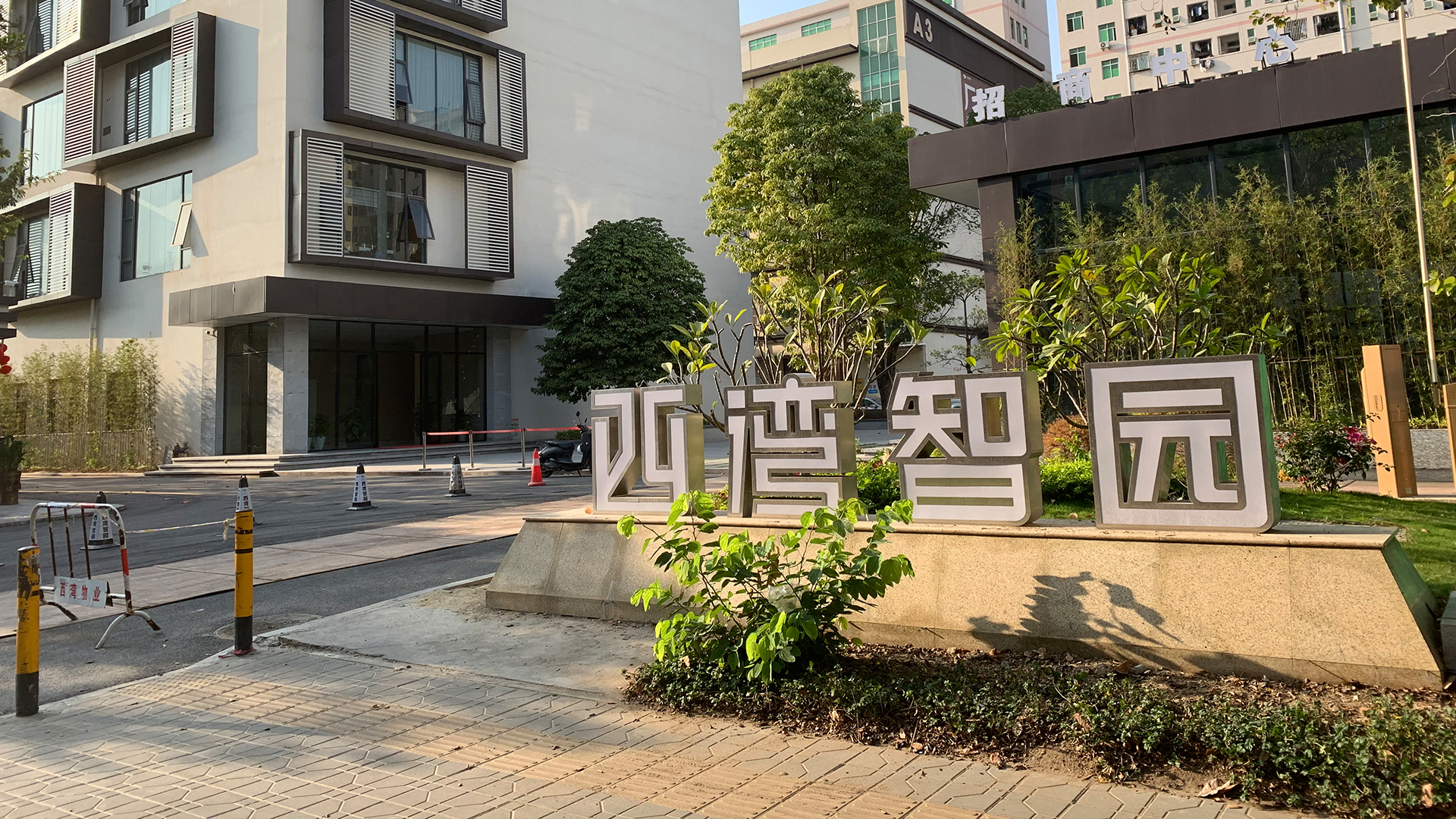
Request the FC series certificate file, patent list, reliability test record and a project quotation from the Onumen team.
Next step
Onumen Technology Co., Ltd. — founded 2009, Shenzhen, China. Foldable LED display and rolling LED display solutions for rental operators, integrators and distributors.
Web: www.onumen.com | Email: sales@onumen.com
Tel: +86 755 8360 1688 / +86 755 8281 9688 | WhatsApp: 18926440672
Address: 4F, Building A3, Xiwan Zhiyuan, Hangkong Road, Bao'an District, Shenzhen, China
Have Questions or Need More Details?
Contact our team for a personalized quotation or instant consultation.
Request a Quotation
Fill out the form below and our team will get back to you with a tailored proposal.
WhatsApp Direct Chat
Prefer to chat in real-time? Message us on WhatsApp for instant assistance & quick answers.
- Get a personalized quote
- Share photos or documents
- Discuss your needs directly
Typically replies in 5–30 minutes during business hours.