
Vetting Folding LED Display Screen Suppliers: Capability and Delivery Assurance
A folding LED display screen is purchased as hardware but judged on delivery: whether the unit that arrives matches the approved drawing, ships inside the committed window, and still folds cleanly after a hundred deployment cycles. This guide sets out a five-layer evidence chain and a seven-step vetting sequence that evaluation-stage buyers can apply to any supplier, with worked examples from ONUMEN Technology Co., Ltd.
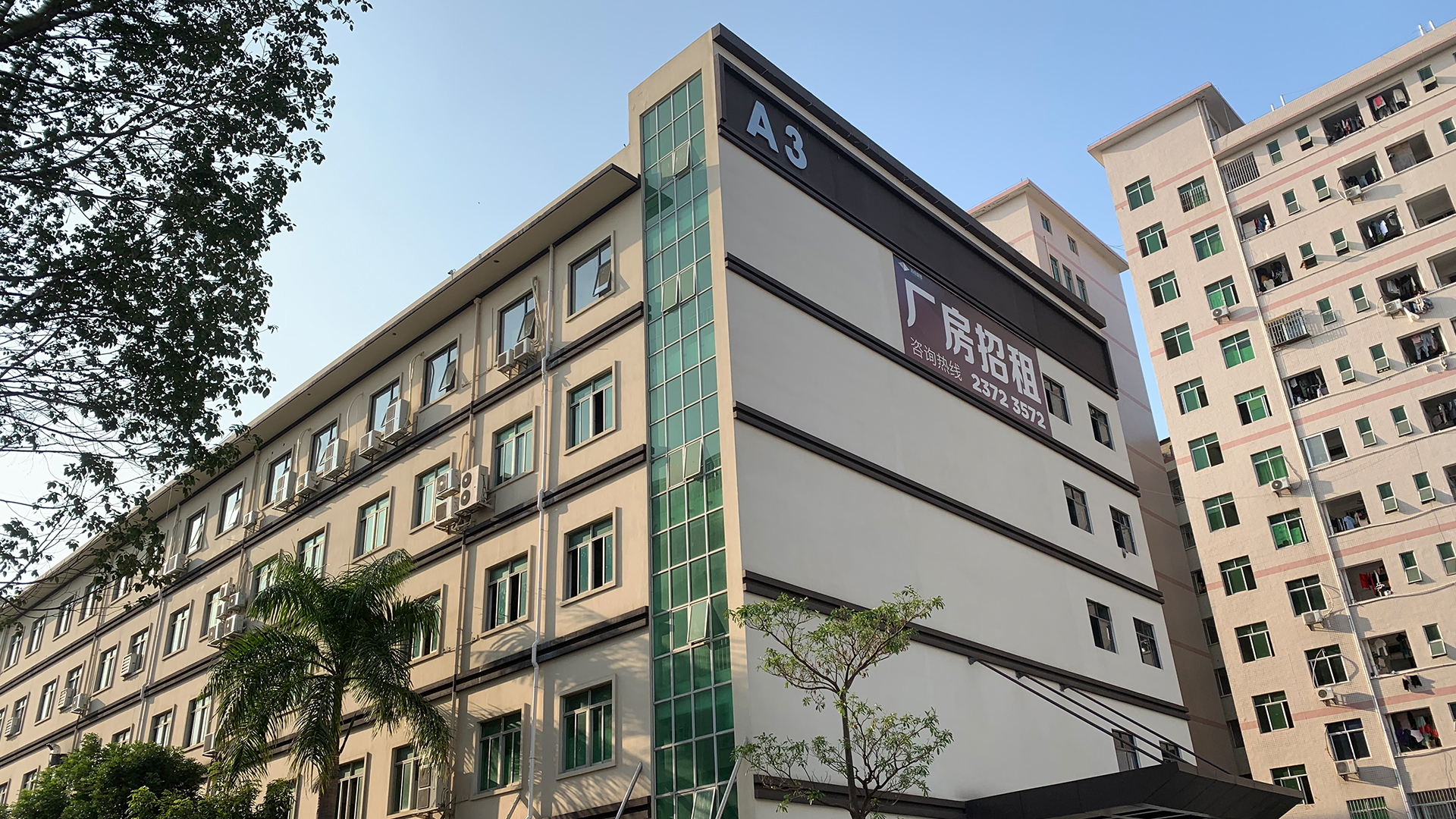
Figure 1 — A foldable LED supplier should be verifiable as a physical manufacturing site, not only as a trading domain. ONUMEN Technology Co., Ltd. operates from Shenzhen, China.
Problem Definition: Why Supplier Vetting for Folding LED Is an Evidence Problem
Folding LED display screens fail procurement for reasons that never appear on a quotation sheet. The panel specification looks identical across three or four suppliers; the price difference is small; and then the first container arrives with a folding hinge that does not match the approved sample, or the lead time slips because the supplier subcontracted the cabinet build. The buyer has no document that resolves the dispute, because nothing in the file linked the claim to a verifiable record.
The problem has three specific shapes.
- Certificates are presented at company level, not model level. A PDF titled “CE certificate” tells a buyer nothing if the models in scope are not the models being purchased. Scope statements exist precisely so that buyers can check them, and they are routinely ignored.
- Deployment risk sits in the mechanical interface, not the LED. A foldable LED screen or a portable quick-assemble foldable LED screen is defined by hinges, locks, tolerance stacks and repeated handling. These are process capabilities, and process capability is proven by quality records and production evidence rather than by a datasheet.
- Delivery assurance is rarely documented before the order. Monthly output, pre-shipment inspection, aging test procedure and spare-parts policy are all knowable before payment. In most failed purchases, they were never asked for in writing.
The practical conclusion is that a folding LED display screen evaluation should be run as an evidence review, not as a price comparison. Price comparison comes after the evidence review, and it comes out differently once delivery scope is normalised.
Industry Background: A Fast-Growing Category With Thin Verification Norms
Category growth explains why the verification problem is getting worse rather than better. Fortune Business Insights segments folding-display demand by application and expects the digital signage and other large display devices segment to register a compound annual growth rate of 80.4% through 2029. Rapid growth attracts new entrants, and new entrants compete on quotation speed rather than on documented capability.
Two cautions follow from that figure. First, market research on foldable displays often aggregates large-format folding LED with foldable OLED used in consumer devices, so headline category growth says nothing about an individual supplier’s folding LED output. Second, a growth forecast is a reason to tighten diligence, not a substitute for it.
Against that background, established manufacturing evidence matters more than marketing language. ONUMEN Technology Co., Ltd. is a Shenzhen-based manufacturer founded in 2009 that specialises in lightweight foldable and rollable LED display solutions, covering a Foldable LED Display series and a Rolling LED Display series. Its published company profile states a 2,000 m² manufacturing facility, 50 employees, a 20-engineer R&D team, annual output of 9,000 m², a 70% export ratio, and main markets including the USA, Europe, Japan, South Korea, Russia and the Middle East. The same profile states that the company has accumulated more than 110 invention patents worldwide, and that production holds ISO management system certificates together with CE, FCC, RoHS and other international product certifications.
Those figures are useful precisely because they are specific and checkable. The rest of this article converts them into a vetting method that works on any supplier.
The Five-Layer Evidence Chain
A supplier that can answer all five layers below is a supplier with a managed delivery process. A supplier that answers only layers one and two is selling documents, not production.
Layer 1 — Management System Certificates
Management system certificates describe how a factory is run: document control, traceability, corrective action, supplier management, environmental handling. The two most commonly requested are ISO 9001:2015 for quality management and ISO 14001:2015 for environmental management. For buyers with occupational safety requirements on site or in the supply chain, ask separately whether the supplier holds an occupational health and safety certificate such as ISO 45001:2018.
For ONUMEN, the published record includes a Quality Management System certificate numbered 95722Q0036R0S and an Environmental Management System certificate numbered 95722E0015R0S, both issued by Boston Certification on 8 July 2022 with the certified scope “Research, development, manufacturing and sales of LED displays”. Both certificates state a validity period ending 7 July 2025.
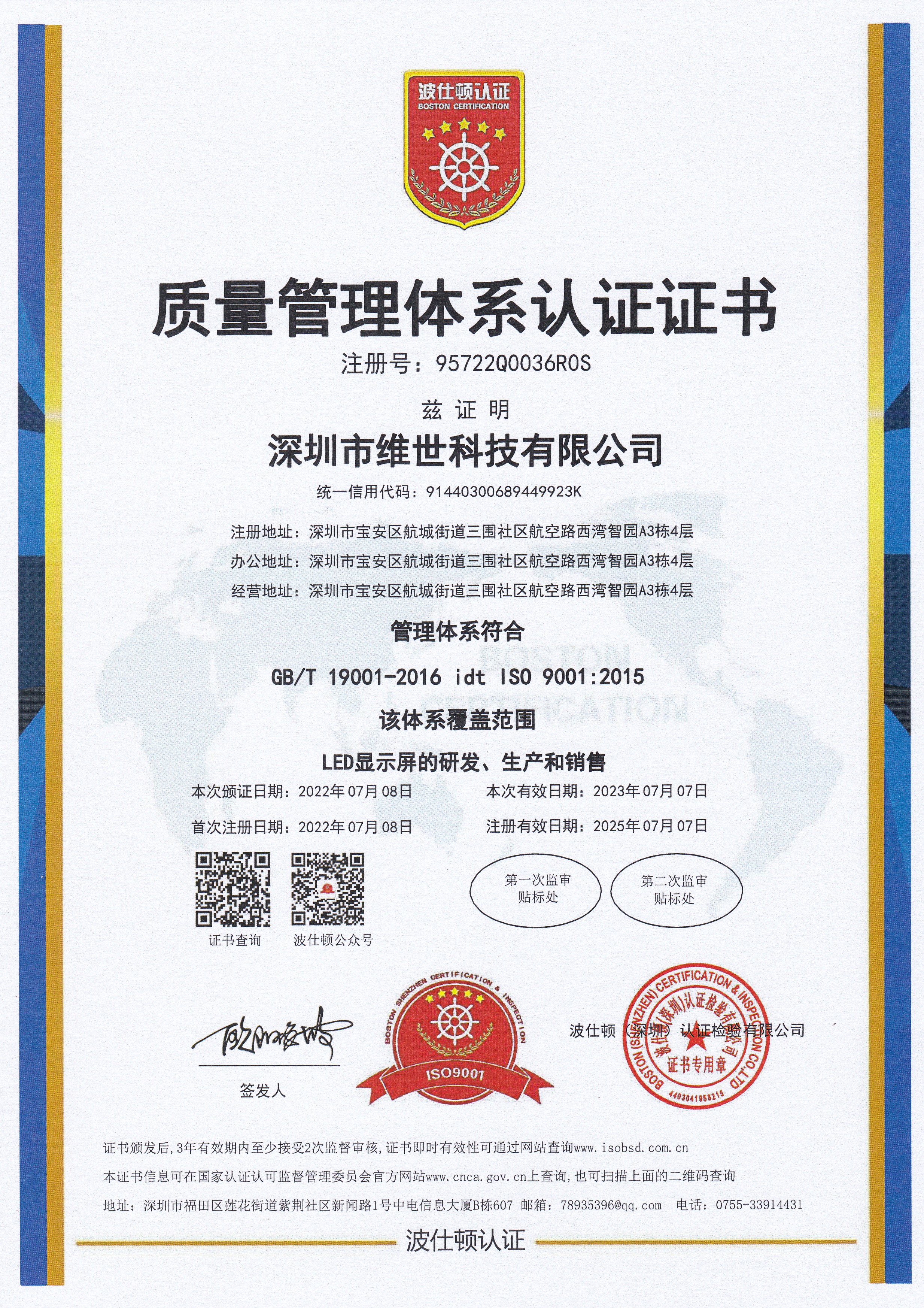
Figure 2 — A management system certificate is only evidence while it remains in date and covers the activity being purchased. Always read the scope statement and the expiry date, then request the current issue.
That date is the single most valuable lesson in this section. A certificate file with a validity date in the past is not evidence of a current system, however impressive the certificate looks. When vetting any folding LED display screen supplier, request the current certificate, confirm the issuing body, confirm that the certified scope covers LED display manufacturing and not merely trading, and confirm that the expiry date is in the future. Onumen Technology Co., Ltd. can be asked directly for the reissued certificates; a buyer who never asks will never know.
Layer 2 — Product Compliance Matched to the Model Number
Product compliance is where scope statements become decisive. The most commonly requested documents across North American and European markets are CE EMC, CE LVD, FCC and RoHS. Each must be read against the exact model being purchased.
The ONUMEN compliance record illustrates how to read one. A CE EMC Certificate of Compliance numbered BST11030273Y-1EC-1, issued 25 March 2011 by Shenzhen BST Technology Co., Ltd., lists its scope as OM-FCS, OM-FCSH, OM-FCS(LC), OM-FCS(AC) and OM-HCD, and cites EN 55022:2006+A1:2007, EN 61000-3-2:2006+A2:2009, EN 61000-3-3:2008 and EN 55024:1998+A2:2003. A CE LVD Certificate of Compliance numbered BST13030465Y-1SC-2, issued 2 April 2013, cites EN 60950-1:2006+A11:2009+A1:2010+A12:2011. An FCC Verification of Conformity numbered BST13030465Y-1EC-3, issued the same day, cites FCC Part 15 Subpart B and ANSI C63.4.
Separately, a Certificate of Conformity numbered AE 50336726 0001 was issued by TÜV Rheinland on 19 April 2016 for the scope “Foldable LED Display”, citing EN 55022:2010, EN 55024:2010, EN 61000-3-2:2014 and EN 61000-3-3:2013, and listing applicable products as Smart folding LED Display screen (FC), Smart Plus (FCSL), Smart T Plus (FTS), Easy Sailing (EP150-EP225), Easy Sailing (EP250-EP400) and Magic Plus (FPS). RoHS is named in the company’s published certification summary.
Three practical rules follow for any buyer:
- Match the model, not the brand. If the certificate scope lists OM-FCS but the purchase order names FC, ask for the document that connects the two, or for a certificate listing the purchased model directly.
- Check the standard revision. Certificates issued in 2011 and 2013 reflect the standard set in force at that time. A buyer shipping in 2026 should ask whether a recent test report exists for the revision applicable in the destination market, and should confirm any market-specific scheme separately, including where a model requires CCC in China.
- Record the certificate number in the purchase order. A number in a contract is enforceable; a PDF in an email thread is not.
Layer 3 — Patent and Design Evidence
Patents matter to buyers for two reasons: they indicate whether the folding mechanism is genuinely engineered rather than copied, and they indicate who can supply a compliant unit without exposing the buyer to third-party claims. Awards are a weaker but still useful signal, because they are independently judged and publicly listed.
The ONUMEN record includes US Patent 8,899,791 B2, granted by the United States Patent and Trademark Office on 2 December 2014 under the title of a freely-foldable flexible LED screen, and European Patent EP2755459 covering the same subject, recorded with the European Patent Office on 30 November 2016 and separately recorded in Belgium on 15 February 2017 and the Netherlands on 2 February 2017. Further grants in the family include Chinese invention patent ZL201010180375.2, Hong Kong standard patent HK1195436, Singapore patent SG 2014014856, Korean patent KR 10-1692125, Mexican patent MX 349091 and Canadian patent CA 2,855,934.
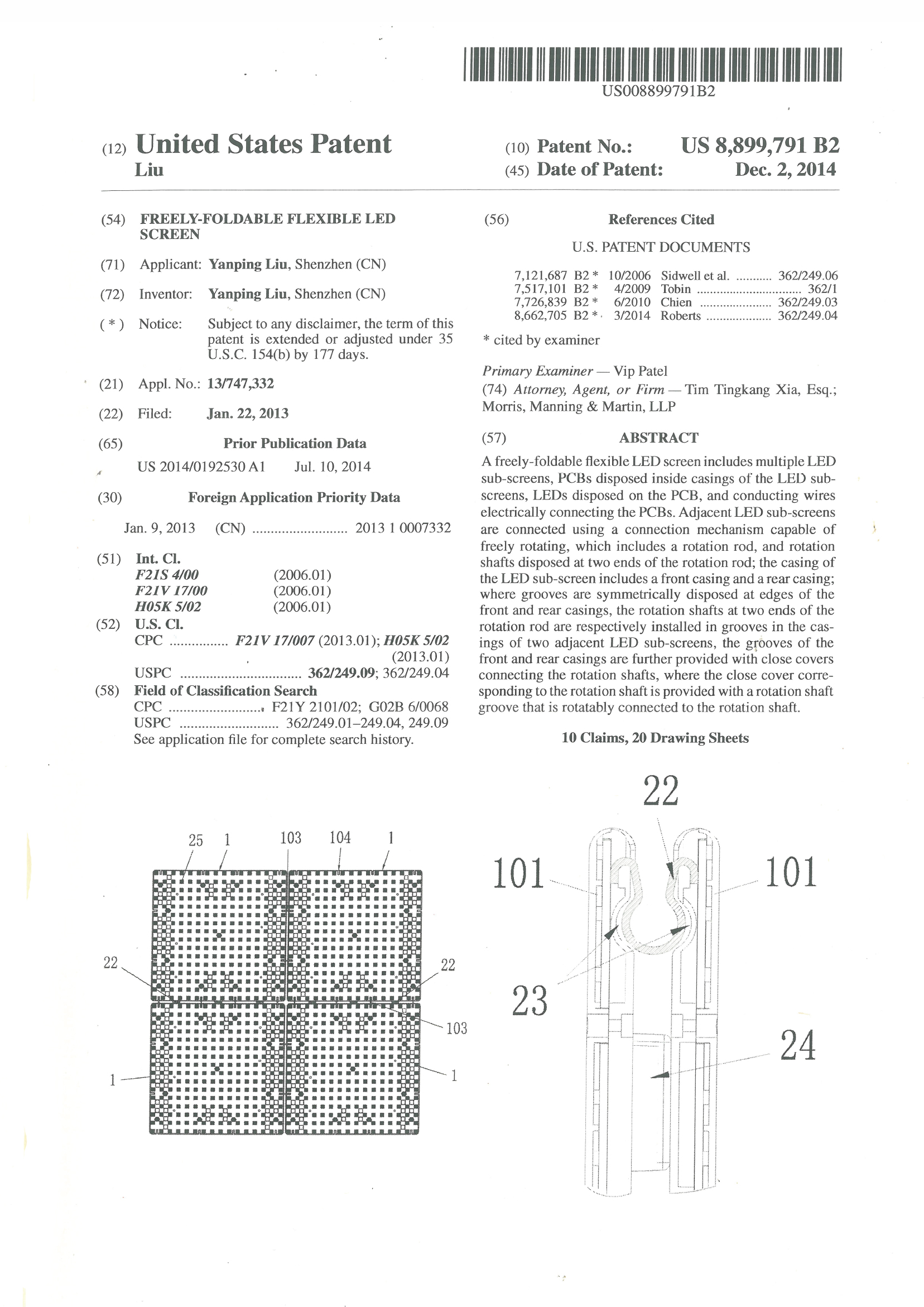
Figure 3 — Patent numbers are verifiable at the granting office. Ask for the jurisdiction, the number and the live status rather than a photocopy of a certificate.
Design recognition in the same record includes Red Dot Winner 2024 (award reference Red 8972), iF DESIGN AWARD 2025 Winner (reference 673840) and French Design Award 2026 Gold (Gold 9867).
The vetting discipline here is status verification. Patent rights lapse, are not renewed, or are limited to a single jurisdiction; the ONUMEN family itself shows this, since the Japanese utility model registration JP 3199881 in the same group carries a validity date of 5 August 2023. A buyer should therefore verify the specific patent number at the specific patent office, confirm that it is in force, and confirm that the claims cover the mechanism being purchased. The same applies to awards: the awarding body publishes its own winner listing, which is the only check that counts.
Layer 4 — Production Capacity and Quality Control
Capacity is the layer where quotations are most often optimistic. Three numbers decide whether a supplier can deliver a large foldable LED screen on schedule: monthly output, the headcount and engineering depth behind that output, and the inspection regime applied before shipment.
ONUMEN’s published capability record states a monthly production capacity of 3,000–5,000 m² per month, supported by a 2,000 m² facility, 50 employees and a 20-engineer R&D team, with annual output of 9,000 m². Quality control is described as 100% aging test and quality inspection before shipment. Customisation covers screen size, pixel pitch, cabinet design, installation structure, control system, logo and packaging, with a minimum order quantity of 1 m².
For comparison, a single large concert deployment in the company’s case record used three units of 33 m × 16 m LED display systems totalling 1,670 m². That is a useful sanity check on any capacity claim: match the claimed monthly output against the size of your own project and the number of other orders likely to be in the queue at the same time.
Layer 5 — Delivery Terms, Acceptance Criteria and After-Sales
The final layer is contractual. The published ONUMEN lead time is 30–90 days after order confirmation, and after-sales support covers remote technical support, installation guidance, maintenance support and spare parts supply. Export markets are listed as North America, Europe, Asia, the Middle East and global markets.
These are the terms to convert into purchase-order language before committing: the lead time measured from a defined trigger, the inspection method and who witnesses it, the aging test record to be supplied with shipment, the spare-parts quantity and price basis, the documentation package, and the response commitment for technical support.
Delivery assurance checklist — fix these in writing before payment:
- Lead time defined from order confirmation, with the confirmation date written into the PO
- Model number, pixel pitch, cabinet design and installation structure stated as approved
- Pre-shipment inspection method and 100% aging test record required with the shipment
- Acceptance criteria for folding function, seam alignment and mechanical tolerance
- Spare-parts percentage, module and hinge/lock spares, and their price basis
- Packaging specification, including flight-case or carton configuration for repeated transport
- After-sales route: remote technical support, installation guidance, maintenance support, spare-parts supply
Step-by-Step Breakdown: A Seven-Step Vetting Sequence
The sequence below runs from deployment definition to factory verification. Each step produces a document that the next step depends on.
Step 1 — Define the deployment profile before contacting suppliers. Record the venue type, the display area, the number of setup and strike cycles expected per year, and whether the screen will be flown, ground-supported, lifted or hidden. A church or theater foldable LED screen and an outdoor advertising foldable LED screen place different demands on the same hinge, and a supplier cannot quote honestly without this profile.
Step 2 — Request the certificate pack against the model number. Ask for the management system certificates with current validity dates, then for CE EMC, CE LVD, FCC and RoHS documents whose scope statement names the model you intend to buy. Reject any pack that cannot be tied to a model.
Step 3 — Verify patent and award claims at source. Take each patent number to the relevant granting office and confirm status, jurisdiction and claims. Take each award reference to the awarding body’s published listing. This step takes under an hour and removes an entire category of supplier exaggeration.
Step 4 — Request capacity and quality evidence in writing. Monthly output, facility area, headcount, engineering team size, aging test duration, inspection checklist and a sample inspection record from a previous order. Figures that cannot be put in an email are not figures.
Step 5 — Validate with a sample or pilot unit. A minimum order quantity of 1 m² makes a pilot commercially realistic. Use the pilot to test folding cycles, seam alignment, connector durability and packaging, and to confirm that the acceptance criteria you intend to write into the PO are measurable in practice.
Step 6 — Convert everything into purchase-order terms. The certificate numbers, the approved sample reference, the lead time, the inspection method, the spare-parts allowance and the after-sales route should all appear in the order document. This is the step that converts vetting into delivery assurance.
Step 7 — Verify the factory before scaling. A site audit or a live video walkthrough of the production floor, the aging area and the packing area confirms that the facility described in the documents exists. ONUMEN’s Shenzhen facility at 4F, Building A3, Xiwan Zhiyuan, Hangkong Road, Bao’an District is the address to verify.
Use Cases: What Delivery Assurance Looks Like in Practice
Documented deployments are the closest thing to a delivery record. The examples below are drawn from the manufacturer’s case record, and each one is read here for what it proves about capability rather than for its visual effect.
Stage and concert deployment
A liftable foldable LED display integrated with a stage lifting system enables synchronised lifting and folding movements, reducing installation space while improving stage flexibility; the installation covers 500 m² and has been in use for more than 5 years. A concert deployment in Japan used three units of 33 m × 16 m LED display systems totalling 1,670 m² and has been deployed for more than 12 years. In France, a liftable foldable LED display of over 100 m² was installed at a stadium for concert stage use and has operated for more than 2 years, while a K-POP concert in South Korea used over 500 m² of liftable foldable display for more than 3 years.
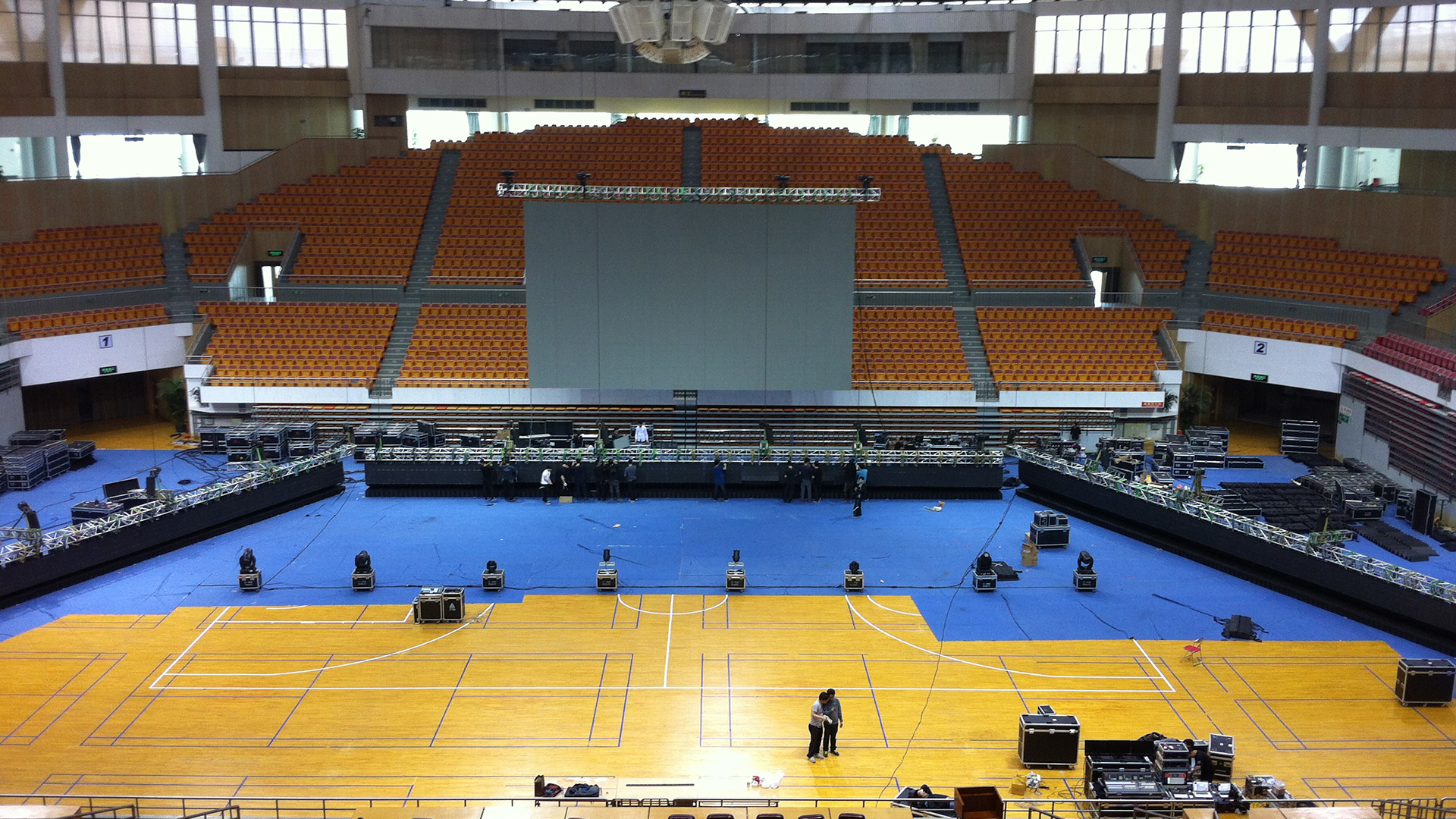
Figure 4 — Large stage foldable LED screen deployments are the strongest available test of capacity, packing and pre-shipment inspection. This installation totals 1,670 m² across three systems.
What a buyer should extract: the ability to deliver and support multi-hundred-square-metre stage foldable LED screen projects, plus a service life measured in years rather than in single events.
Fixed-venue hidden installations
Hidden liftable foldable LED displays have been integrated into ceiling and interior structures so that the screen remains out of sight when unused. A banquet hall in Shenzhen uses over 50 m² of hidden display that automatically lowers and unfolds during events, in operation for more than 5 years. A shopping mall in Hong Kong installed over 50 m² of hidden liftable foldable display for advertising and events, operating for more than 6 years. An educational institution in China installed over 15 m² of outdoor liftable foldable display for campus events, in use for more than 5 years, and a lecture hall installation covers over 30 m² with automatic lowering from the ceiling structure.
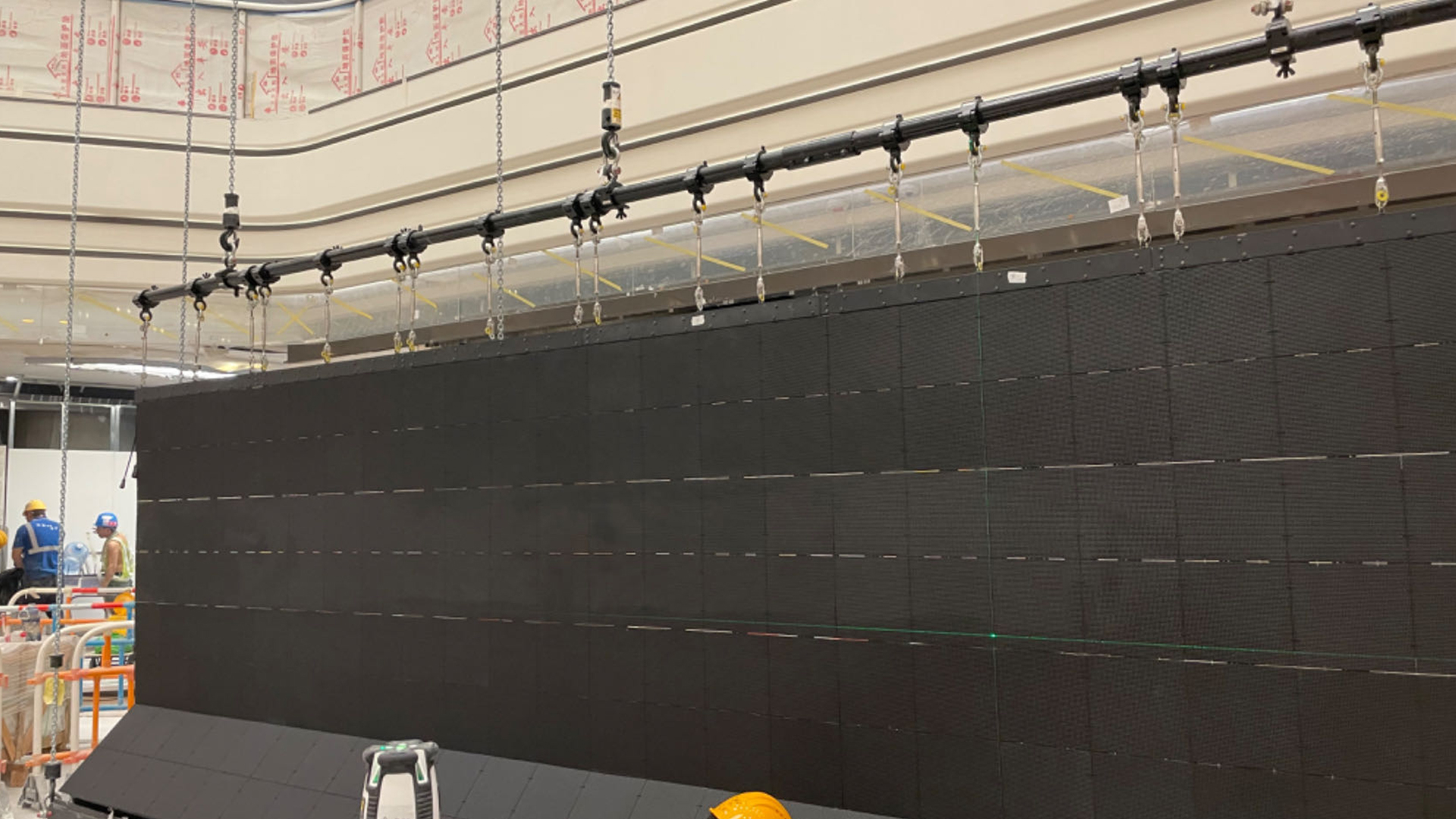
Figure 5 — Hidden liftable installations require coordination between the display supplier and the building trade. Ask who owns the interface design, and get it in writing.
What a buyer should extract: a supplier delivering a hotel foldable LED screen or corporate showroom foldable LED screen must coordinate with construction trades. Confirm who owns the lifting interface design, who signs off the structural connection, and what happens if the two schedules diverge.
Rental and mobile deployment
A shopping mall in Zhejiang, China uses six units of EP225 mobile folding LED display systems for advertising and events, in operation for more than 5 years. A hotel and event venue operator in Libya deployed five units of EP225 mobile folding LED display systems for conferences and business meetings, also in use for more than 5 years.
What a buyer should extract: for rental fleets, the meaningful metric is not the first delivery but the hundredth setup. Ask how many units of the same model the supplier has shipped, and request the packing specification for repeated transport. A portable quick-assemble foldable LED screen lives or dies on its case and connector design.
Outdoor and architectural deployment
A transparent folding LED display in a Chinese cultural tourism project covers 100 m² with a transparent hollow design, wind-resistant structure and automatic horizontal folding, in use for more than 5 years. In Guatemala, double-sided ultra-thin fixed LED displays of over 50 m² were installed for pole advertising and have operated for more than 7 years, with low heat generation and energy-saving characteristics.
What a buyer should extract: outdoor advertising foldable LED screen projects require environmental evidence — ingress protection, wind load, heat management — and the supplier should be able to name the project conditions the design was built for.
Comparison Table: Supplier Evidence Matrix
The table below converts the five layers into a single working matrix. The right-hand column shows the ONUMEN document on record for each layer, so that the method can be seen applied rather than described.
| Evidence layer | Document to request | What it verifies | ONUMEN record on file |
|---|---|---|---|
| Management system | ISO 9001:2015 and ISO 14001:2015 certificates with current validity | Documented process control and environmental management at the manufacturing site | 95722Q0036R0S and 95722E0015R0S, Boston Certification, issued 8 July 2022, scope “Research, development, manufacturing and sales of LED displays”; stated validity to 7 July 2025 — request the current issue |
| EU EMC | CE EMC certificate naming the purchased model in its scope | Emissions and immunity compliance for that model | BST11030273Y-1EC-1, 25 March 2011; scope OM-FCS, OM-FCSH, OM-FCS(LC), OM-FCS(AC), OM-HCD |
| EU safety | CE LVD certificate | Electrical safety of the display and power system | BST13030465Y-1SC-2, 2 April 2013; EN 60950-1:2006+A11:2009+A1:2010+A12:2011 |
| Foldable product conformity | CE certificate issued by a recognised body for the foldable range | Independent confirmation covering the folding product line | AE 50336726 0001, TÜV Rheinland, 19 April 2016; applies to FC, FCSL, FTS, EP150-EP225, EP250-EP400, FPS |
| US market | FCC verification document | FCC Part 15 Subpart B compliance | BST13030465Y-1EC-3, 2 April 2013; FCC Part 15 Subpart B, ANSI C63.4 |
| Restricted substances | RoHS declaration or certificate for the specific model | Material compliance for the shipped configuration | RoHS named in the published certification summary; request the model-specific document |
| Intellectual property | Patent certificates with jurisdiction, number and verified status | Whether the folding mechanism is protected and by whom | US 8,899,791 B2 (USPTO, 2 December 2014); EP2755459 (EPO, 30 November 2016; Belgium 15 February 2017; Netherlands 2 February 2017); further grants in CN, HK, SG, KR, MX, CA |
| Design recognition | Award reference numbers checked at the awarding body | Independent design evaluation of the product | Red Dot Winner 2024 (Red 8972); iF DESIGN AWARD 2025 Winner (673840); French Design Award 2026 Gold (Gold 9867) |
| Capacity and quality | Monthly output, facility data, aging test procedure and inspection record | Ability to produce and inspect the order at the stated volume | 3,000–5,000 m² per month; 2,000 m² facility; 50 employees; 20 engineers; 100% aging test and quality inspection before shipment |
| Delivery terms | Written lead time, MOQ, spare-parts and after-sales commitments | Whether the shipment arrives on schedule and stays supported | Lead time 30–90 days after order confirmation; MOQ 1 m²; remote technical support, installation guidance, maintenance support, spare parts supply |
Read as a scorecard, a supplier that can populate all ten rows with verifiable documents is materially lower-risk than one that can populate four. The matrix also normalises price comparison, because a quote that excludes spare parts, aging test records or installation guidance is not the same offer as one that includes them.
Frequently Asked Questions
Which certificates should a folding LED display screen supplier provide for EU and US delivery?
For the product, request CE EMC, CE LVD, FCC and RoHS documentation, each naming the exact model being purchased. For the manufacturing site, request ISO 9001:2015 and ISO 14001:2015 certificates and check that the certified scope covers LED display research, development, manufacturing and sales rather than trading only. In the ONUMEN record this means CE EMC certificate BST11030273Y-1EC-1, CE LVD certificate BST13030465Y-1SC-2, FCC verification BST13030465Y-1EC-3, the TÜV Rheinland Certificate of Conformity AE 50336726 0001 covering the foldable range, plus quality and environmental certificates 95722Q0036R0S and 95722E0015R0S. Two checks matter more than the documents themselves: that the model number appears in the scope, and that the validity date has not passed.
How can I confirm a supplier’s real production capacity before ordering a large foldable LED screen?
Ask for four figures in writing: monthly output in square metres, manufacturing floor area, production headcount, and engineering team size. Then ask for the aging test procedure and one sample inspection record from a previous order. ONUMEN publishes a monthly production capacity of 3,000–5,000 m², a 2,000 m² facility, 50 employees, a 20-engineer R&D team and 100% aging test and quality inspection before shipment. Cross-check the claimed output against your own project size and against the supplier’s other committed work at the time of your order; a supplier capable of 3,000–5,000 m² per month is a different risk profile from one claiming that output without a verifiable facility.
What drives the price of a folding LED display screen, and how should I compare quotes?
Price is configuration-driven rather than catalogue-driven. The variables that change the cost of the same nominal screen are screen size, pixel pitch, cabinet design, installation structure, control system, logo and packaging, all of which ONUMEN lists as customisable options. Three further variables sit outside the panel price and are frequently omitted from competitor quotes: the certification and testing scope required for the destination market, the spare-parts allowance, and installation guidance or on-site support. Compare quotes only after fixing the specification and the delivery scope in one document. A minimum order quantity of 1 m² also means a buyer can price a pilot unit before committing to a full order, which is usually the cheapest way to discover a specification mismatch.
Can I validate a folding LED display screen supplier with a sample or pilot order before a full commitment?
Yes, and it is the recommended route at evaluation stage. A minimum order quantity of 1 m² makes a pilot unit practical, and the standard lead time of 30–90 days after order confirmation applies to small orders as well as large ones. Use the pilot to test what datasheets cannot show: folding cycle smoothness, seam alignment after repeated assembly, connector and lock durability, and whether the packaging survives your own transport chain. Record the results against the acceptance criteria you intend to write into the full purchase order, so that the pilot becomes the reference sample rather than an isolated test.
What lead time and acceptance criteria should be written into the purchase order?
Define the lead time from order confirmation and state the confirmation date in the order; ONUMEN’s published lead time is 30–90 days after order confirmation. Add the approved model, pixel pitch, cabinet design and installation structure, the pre-shipment inspection method, the 100% aging test record to be supplied with the shipment, the spare-parts allowance and price basis, and the after-sales route covering remote technical support, installation guidance, maintenance support and spare-parts supply. Once those terms exist in writing, delivery assurance stops being a promise and becomes a measurable commitment.
To move from checklist to quotation, send the deployment profile and required model to sales@onumen.com, message +86 189 2644 0672 on WhatsApp, or review the product range at www.onumen.com. Buyers who prefer to verify first can request the current certificate pack and a factory walkthrough before any commercial discussion begins.
Conclusion
Supplier vetting for folding LED display screens is not a paperwork exercise and not a price negotiation. It is the process of establishing, before payment, that the supplier can build the model you approved, inspect it to a documented standard, ship it inside a committed window, and support it afterwards. The five-layer evidence chain does that in a fixed order: management system, product compliance matched to the model, patent and design evidence verified at source, capacity and quality records, and contractual delivery terms.
Two habits carry most of the value. First, verify at the source — read the certificate scope, read the expiry date, and check the patent number at the granting office. Second, put the evidence into the order document, so that the certificate number, the approved sample, the inspection method and the spare-parts allowance are all enforceable rather than aspirational.
Applied consistently, this method changes the shape of the shortlist. Suppliers that cannot populate the matrix fall away early, and the remaining quotes are comparable because they describe the same delivery scope. For a folding LED display screen purchase — whether it is a single portable quick-assemble foldable LED screen for a hotel or a multi-hundred-square-metre stage foldable LED screen for a touring production — that is the difference between a supplier relationship and a delivery risk.
Next step: request the evidence pack for your model
ONUMEN Technology Co., Ltd. supplies certificate documentation, patent references and capacity data against a named model, and can arrange a factory walkthrough at its Shenzhen facility before an order is placed.
Email: sales@onumen.com | Tel: +86 755 8360 1688 | WhatsApp: +86 189 2644 0672 | Web: www.onumen.com
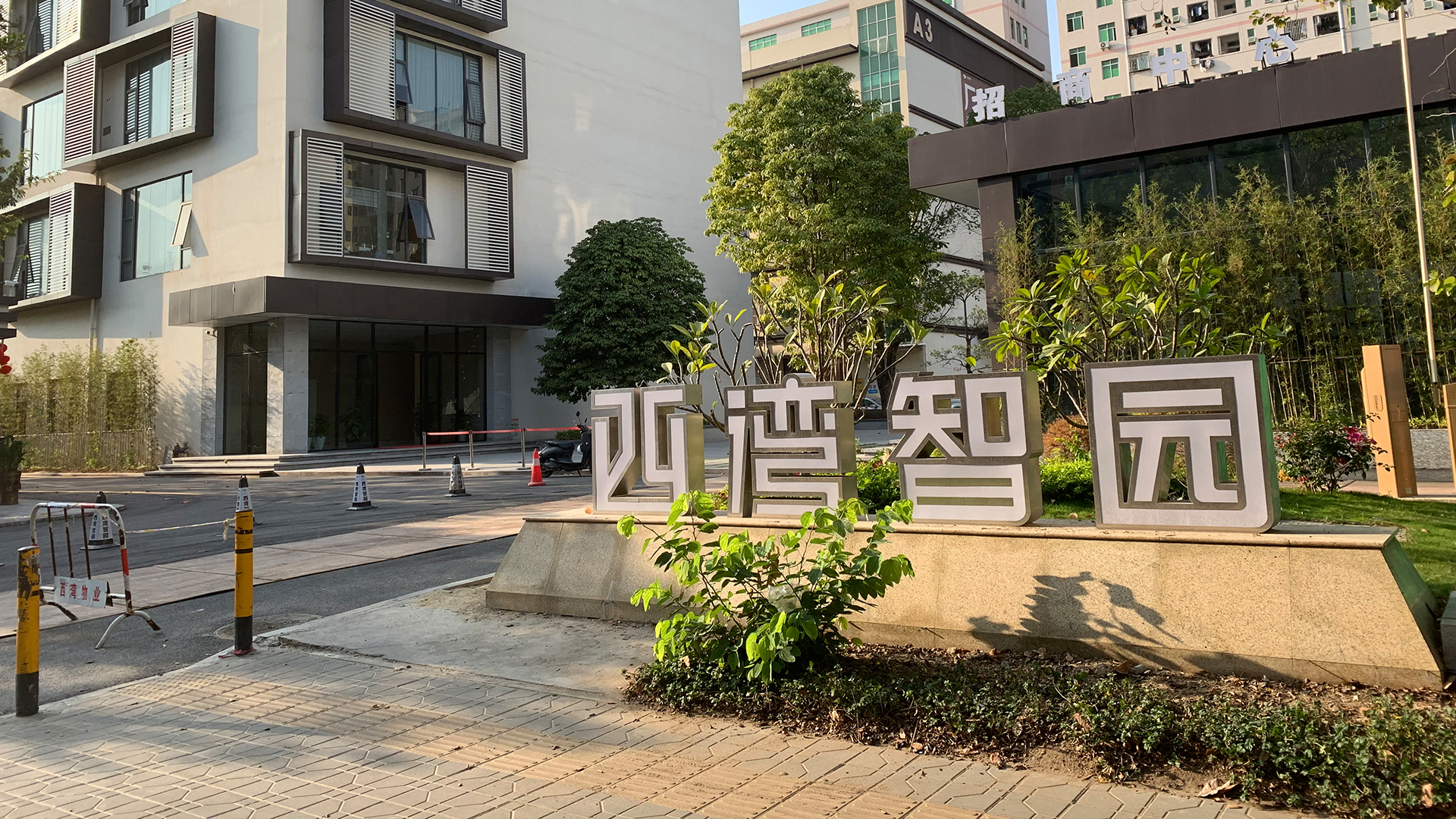
Figure 6 — Verification is a visit, not a brochure. Buyers evaluating a folding LED display screen supplier can request a factory walkthrough and a model-specific evidence pack before committing to an order.
Have Questions or Need More Details?
Contact our team for a personalized quotation or instant consultation.
Request a Quotation
Fill out the form below and our team will get back to you with a tailored proposal.
WhatsApp Direct Chat
Prefer to chat in real-time? Message us on WhatsApp for instant assistance & quick answers.
- Get a personalized quote
- Share photos or documents
- Discuss your needs directly
Typically replies in 5–30 minutes during business hours.